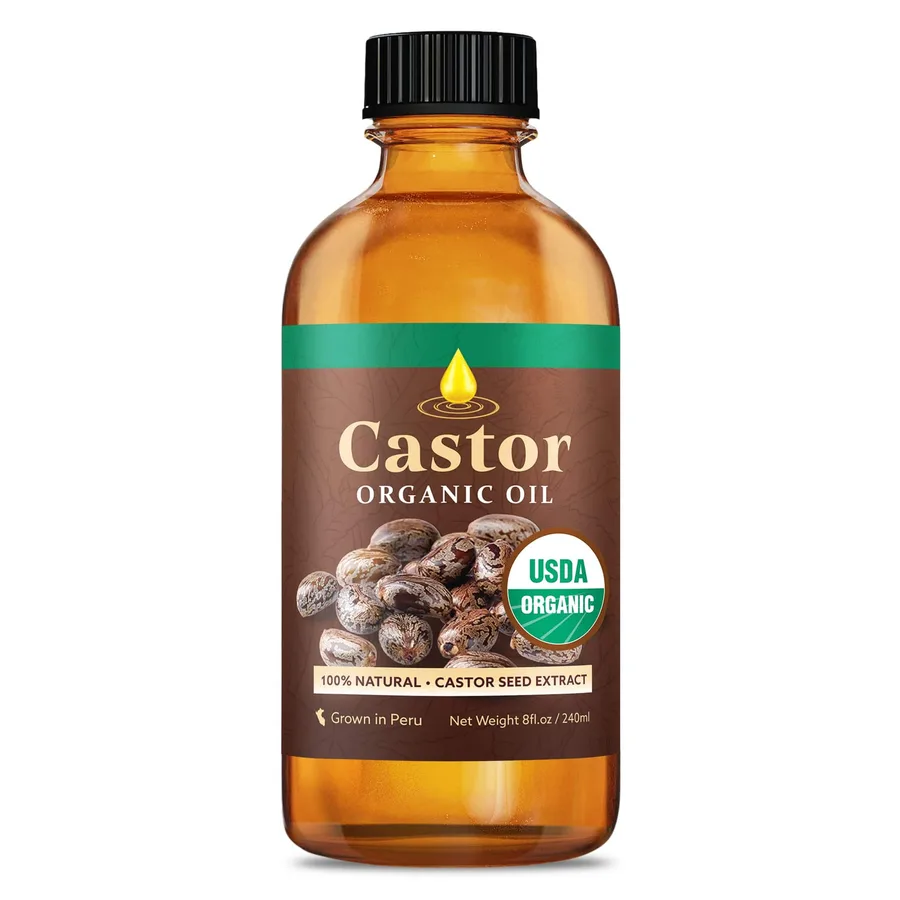
What Is Castor Oil? Types, Uses and How to Choose
A thick, pale-gold oil pressed from Ricinus communis seeds. Here is what makes it different, how it is used, and how cold-pressed differs from the rest.
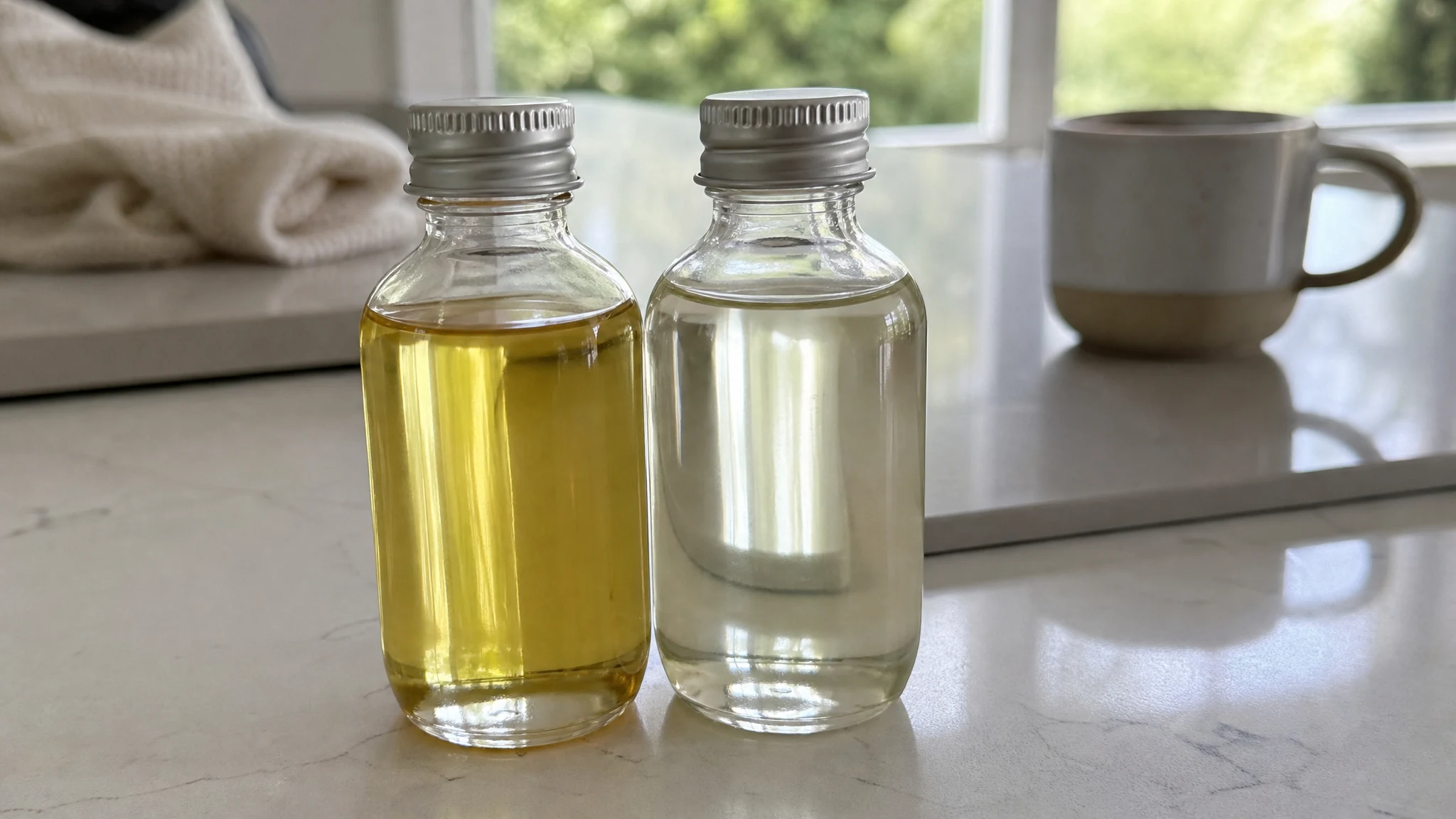
Cold-Pressed vs Refined Castor Oil: What Is the Difference?
Two bottles of castor oil, one pale gold and one nearly clear. Here is how each is made, what the label words mean, and why we reach for cold-pressed.
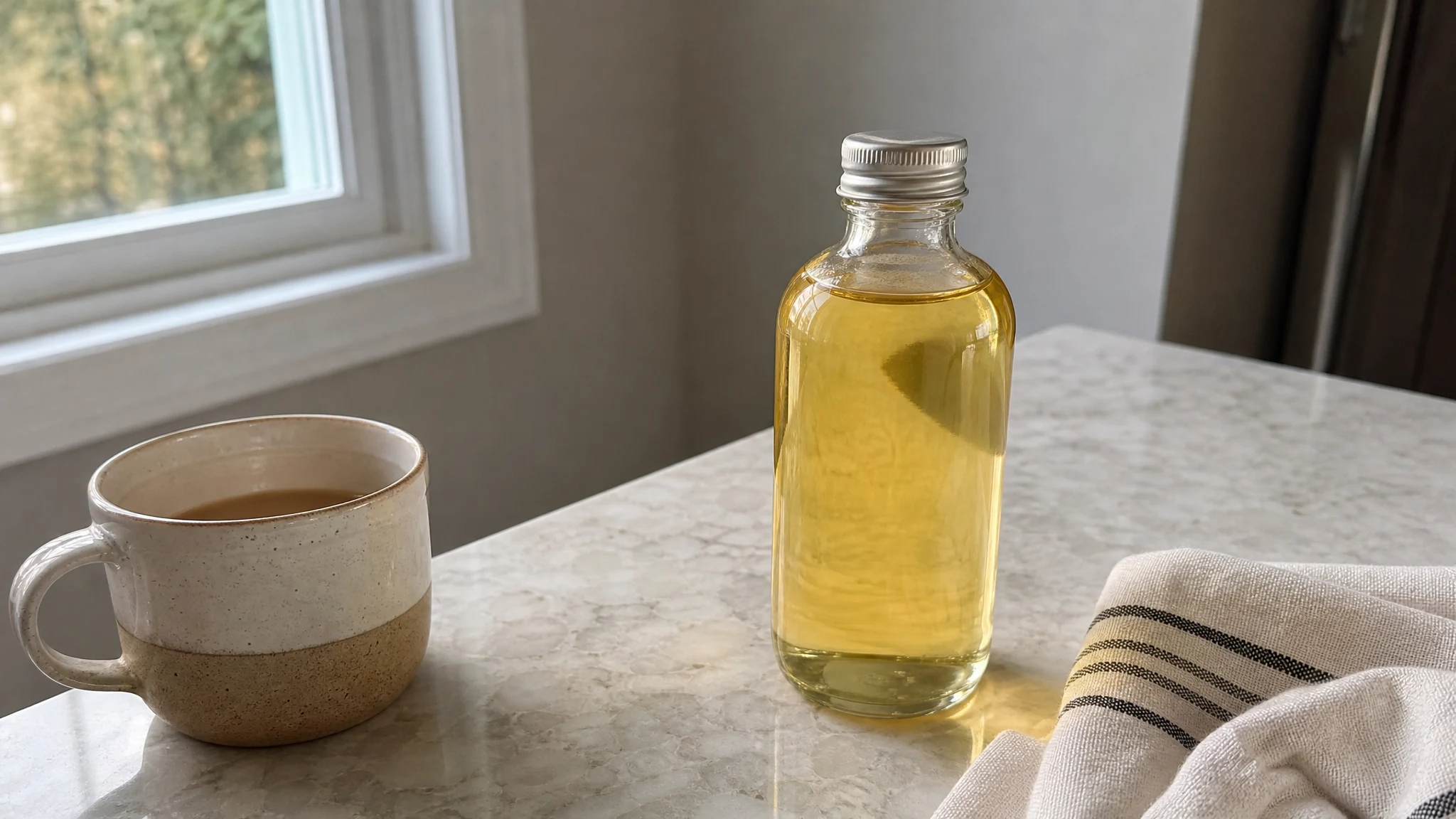
Organic vs Regular Castor Oil: What the Label Really Means
Organic describes how the crop was grown and handled, not how the oil performs. Here is what the rules cover, what they do not, and what to ask a supplier.
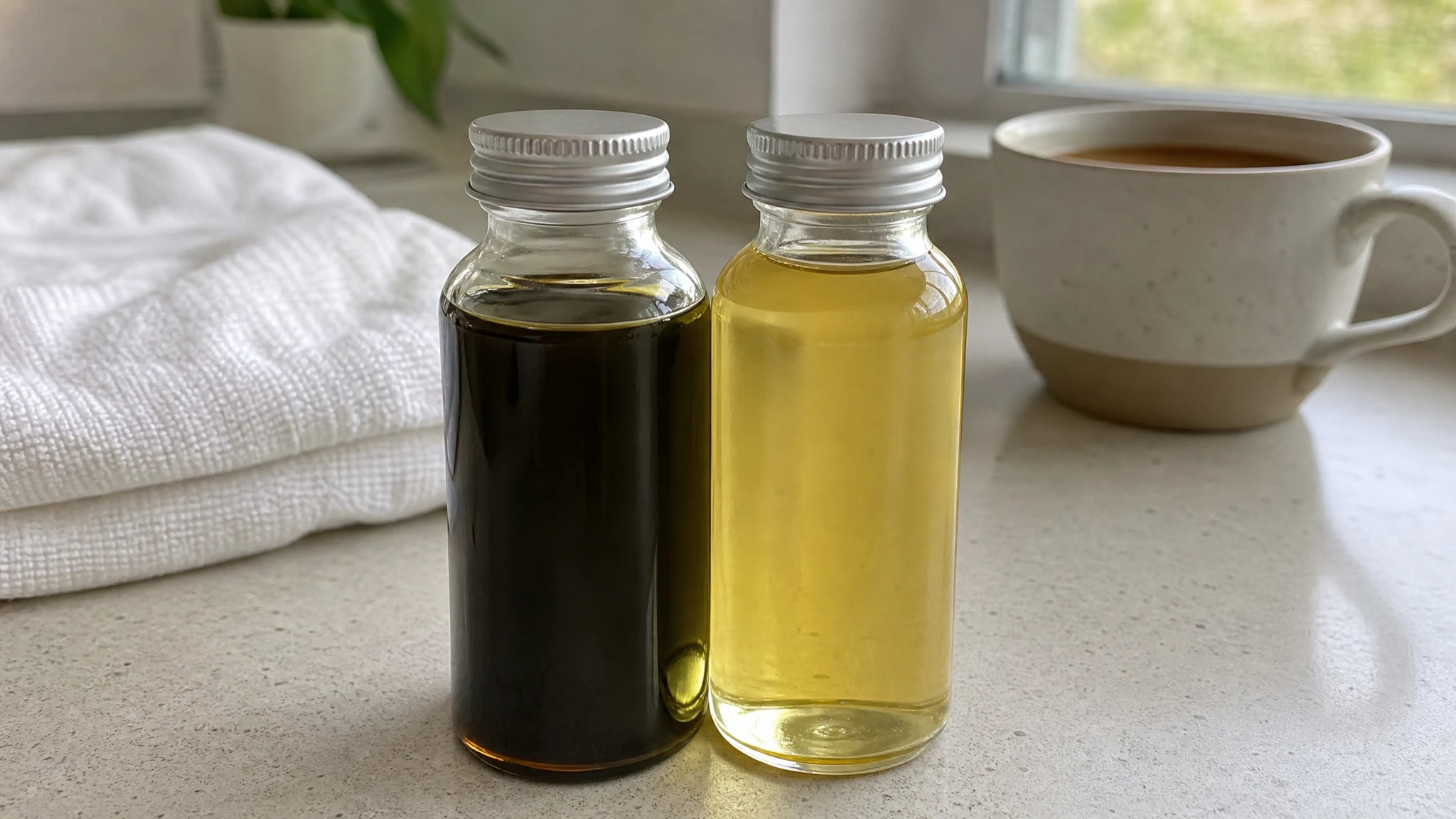
Jamaican Black Castor Oil vs Castor Oil: Which Fits You?
Dark and roasted or pale and mild? We compare Jamaican black castor oil with cold-pressed castor oil on colour, scent, weight and where each one fits.
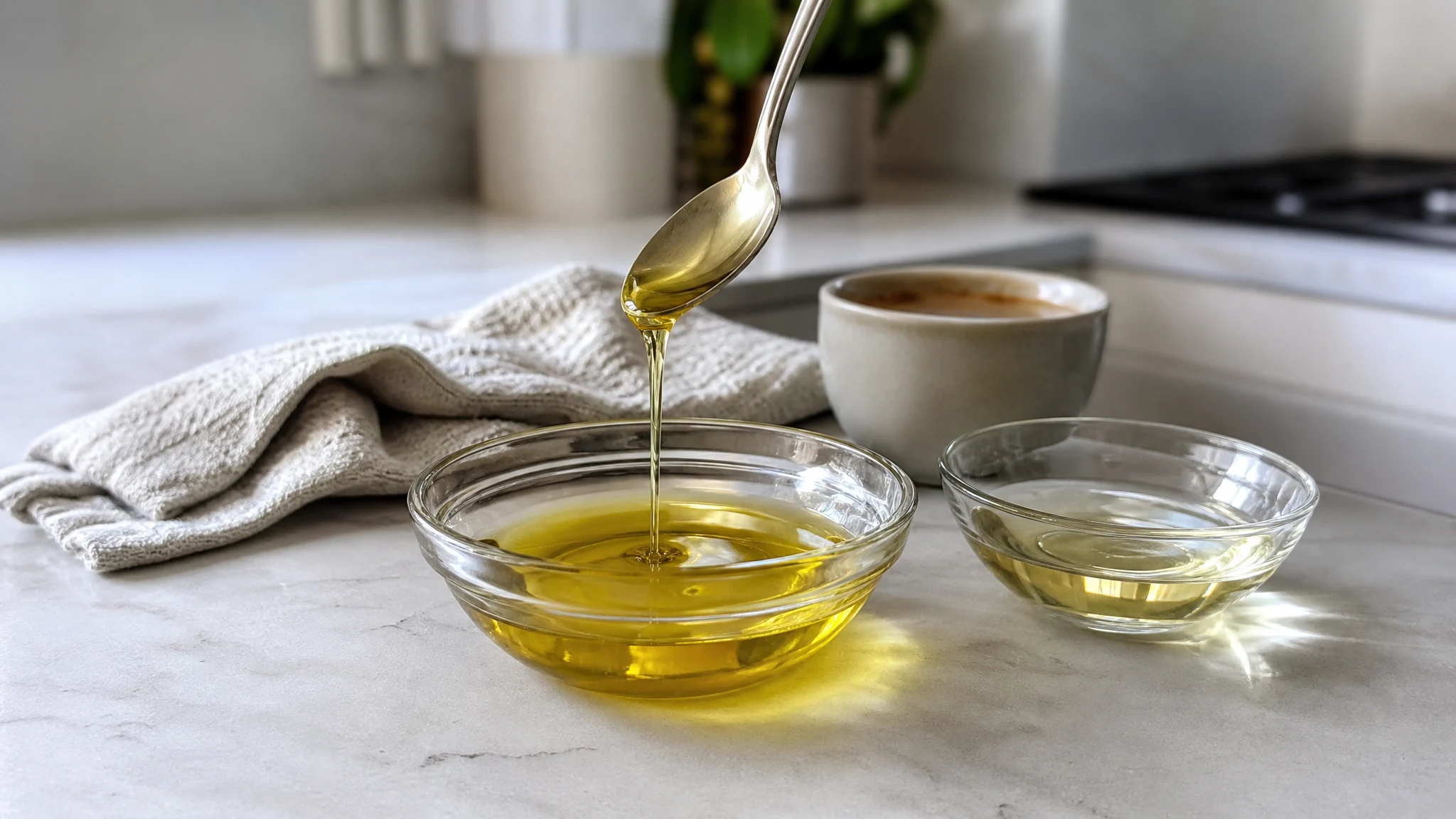
Is It Real Castor Oil? Simple Home Checks and Their Limits
A few counter-top checks show whether a bottle behaves like castor oil. Here is what pour, colour, scent and cold reveal, and where paperwork takes over.
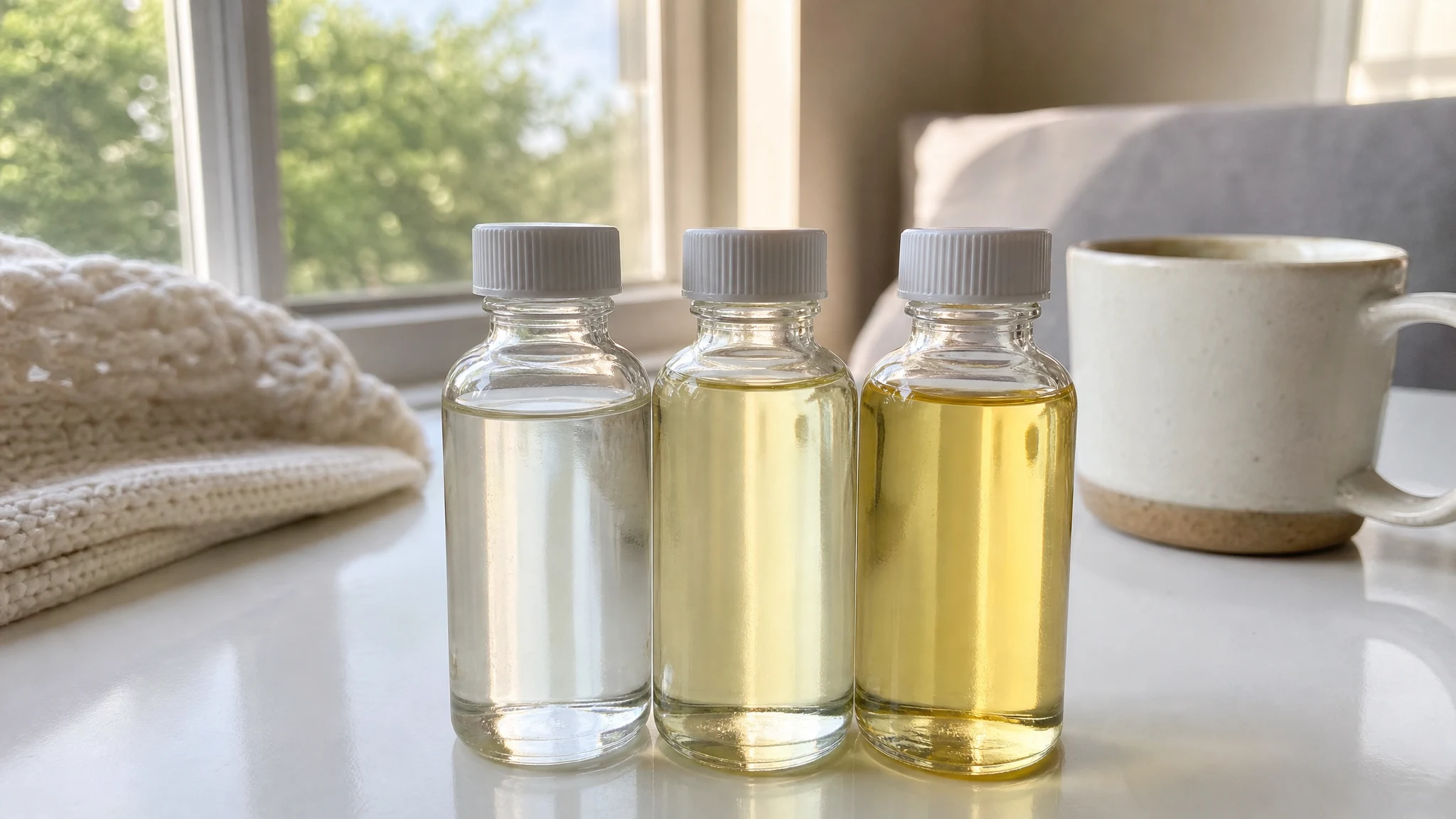
Castor Oil Grades Explained: Which One Belongs on Skin?
Grade sounds official, but for cosmetics it is the seller's word. Here is how industrial, refined and cold-pressed castor oils differ and what to look for.
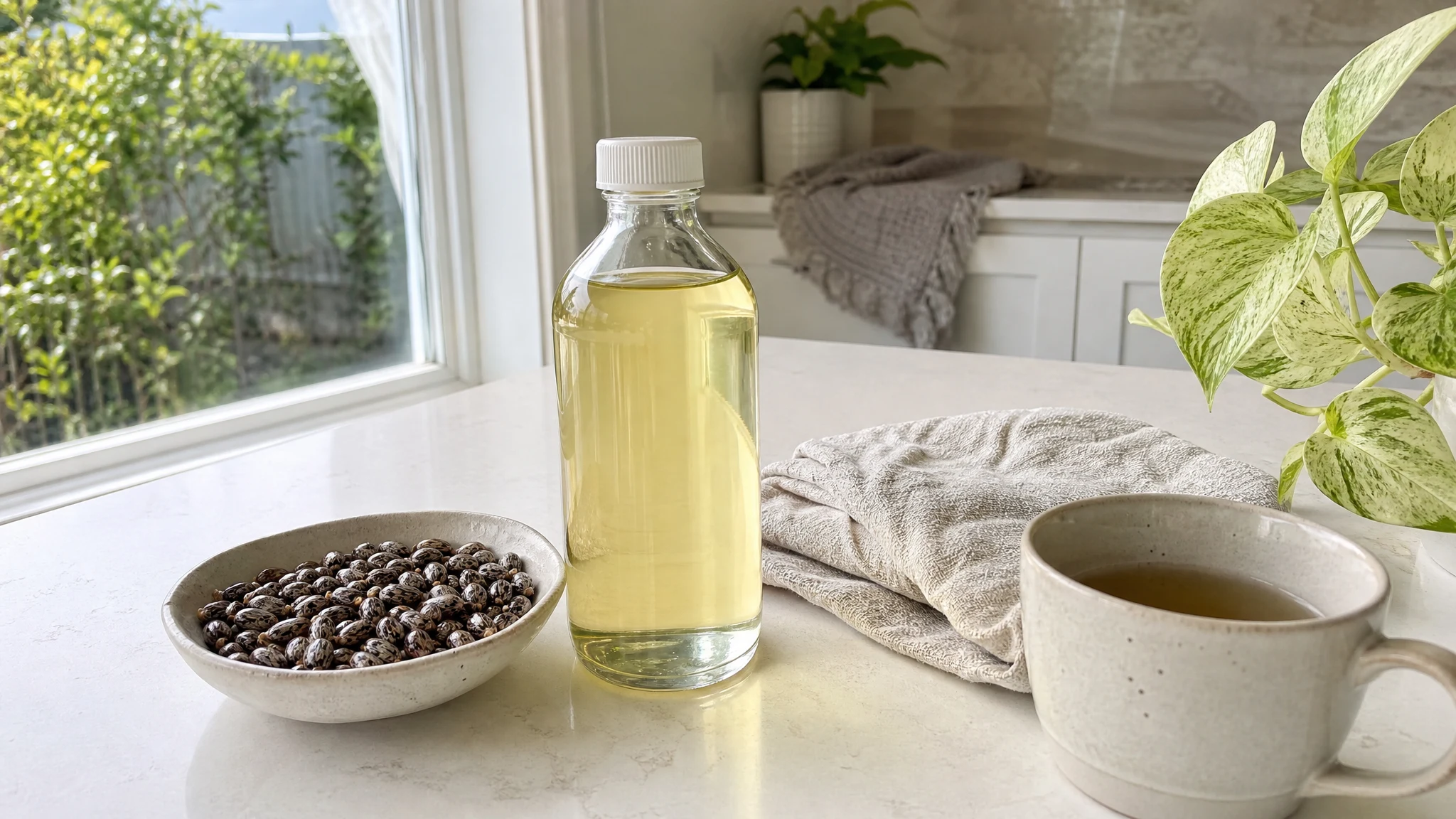
How Castor Oil Is Made: From Bean to Bottle
From a glossy seed to a pale golden oil: the drying, dehulling, cold pressing and filtering that shape castor oil, and why we skip heat and solvents.
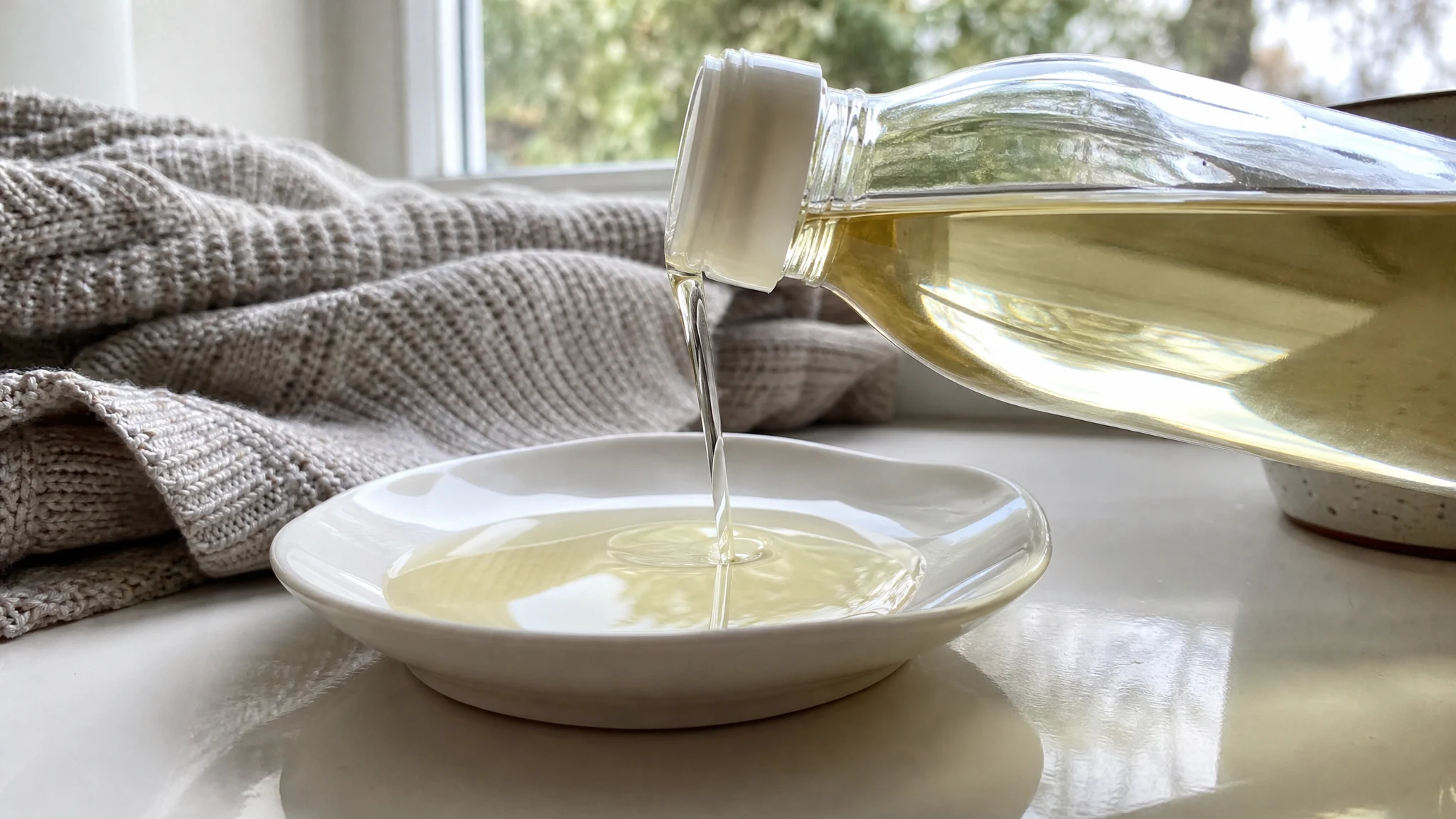
Ricinoleic Acid: The Fatty Acid Behind Castor Oil
One fatty acid with one unusual OH group explains why castor oil pours like honey, keeps well and feels so rich. A plain-English look at ricinoleic acid.
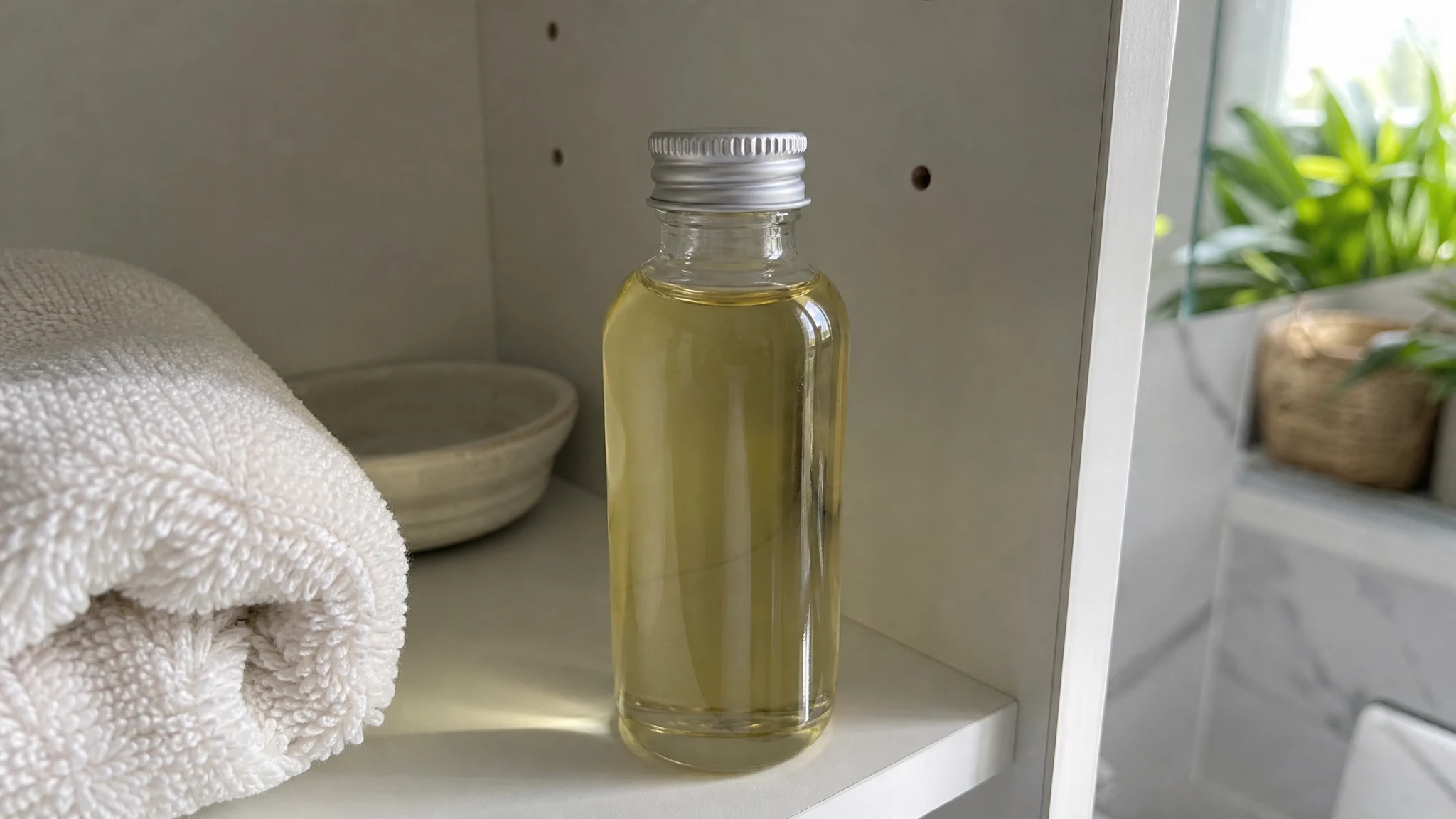
Does Castor Oil Expire? Shelf Life and Storage
Castor oil is one of the more patient oils, but it is not immortal. How to read the smell, colour and feel of a bottle, and how to store it so it lasts.