Does Castor Oil Expire? Shelf Life and Storage
Short answer: yes, castor oil can go off eventually, but it is one of the more patient oils in the cupboard. A bottle you open this month will very likely still be good company next season, provided you treat it the way you would any natural oil: cool, closed and clean.
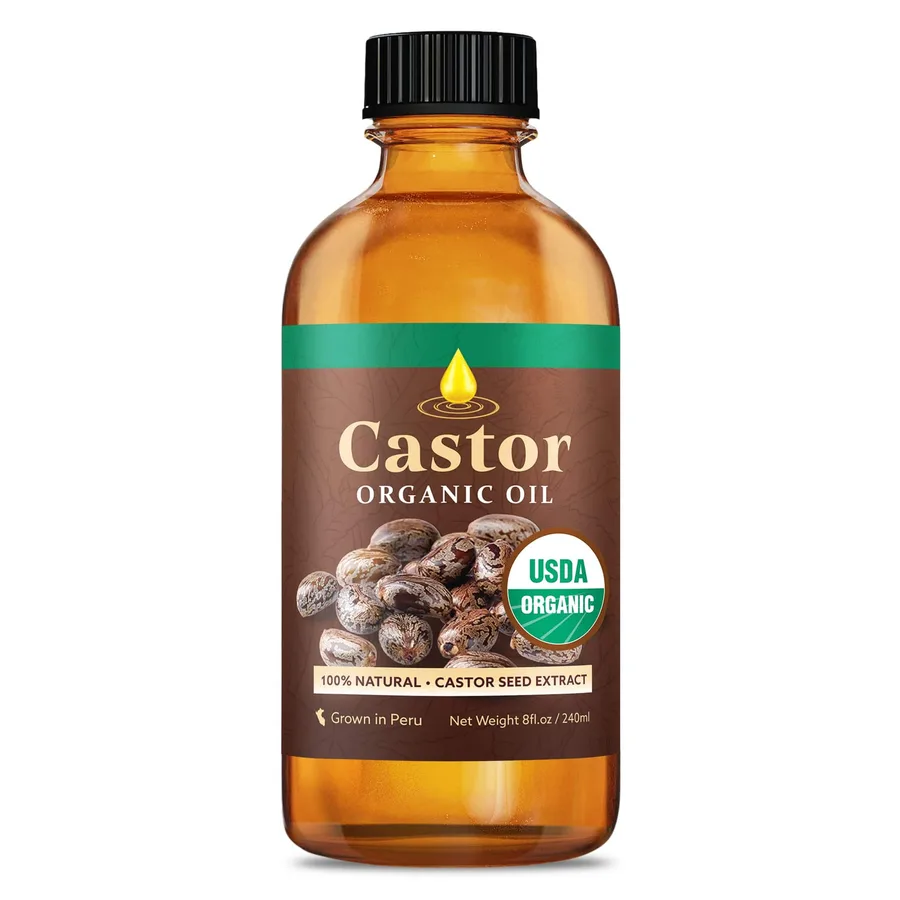
Organic Castor Oil
Cold-pressed, hexane-free castor oil, in sizes from a 0.5 oz sample to bulk drums.
From $13.99
Shop Organic Castor Oil →Why it keeps better than most
Oils turn rancid when oxygen attacks their fatty acids and builds up compounds called hydroperoxides. Castor oil has a built-in defence. It is made up largely of ricinoleic acid, and the hydroxyl group on that molecule helps prevent hydroperoxides from forming. That is how two separate reviews, one from 2016 and one from 2021, explain castor oil's oxidative stability. If you want the chemistry behind that, our post on ricinoleic acid goes through it in plain English.
So how long is long?
Here is where honest answers get fuzzy. The 2016 review in Lipid Insights gives refined castor oil a shelf life of about 12 months when it is kept away from excessive heat. That is a general figure for castor oil as a category, and it is not a promise about any particular bottle, ours included. You will find estimates elsewhere that run shorter and longer, which tells you the real answer depends on heat, light, how often the bottle is opened and how clean the contents stay.
Instead of chasing a date, it is more useful to ask whether the oil looks and smells the way it did the day you opened it.
How to tell it has turned
Your senses are the best test. Watch for three changes:
- Smell. Fresh castor oil is mild. If it smells sharp, sour or like old paint, something has changed.
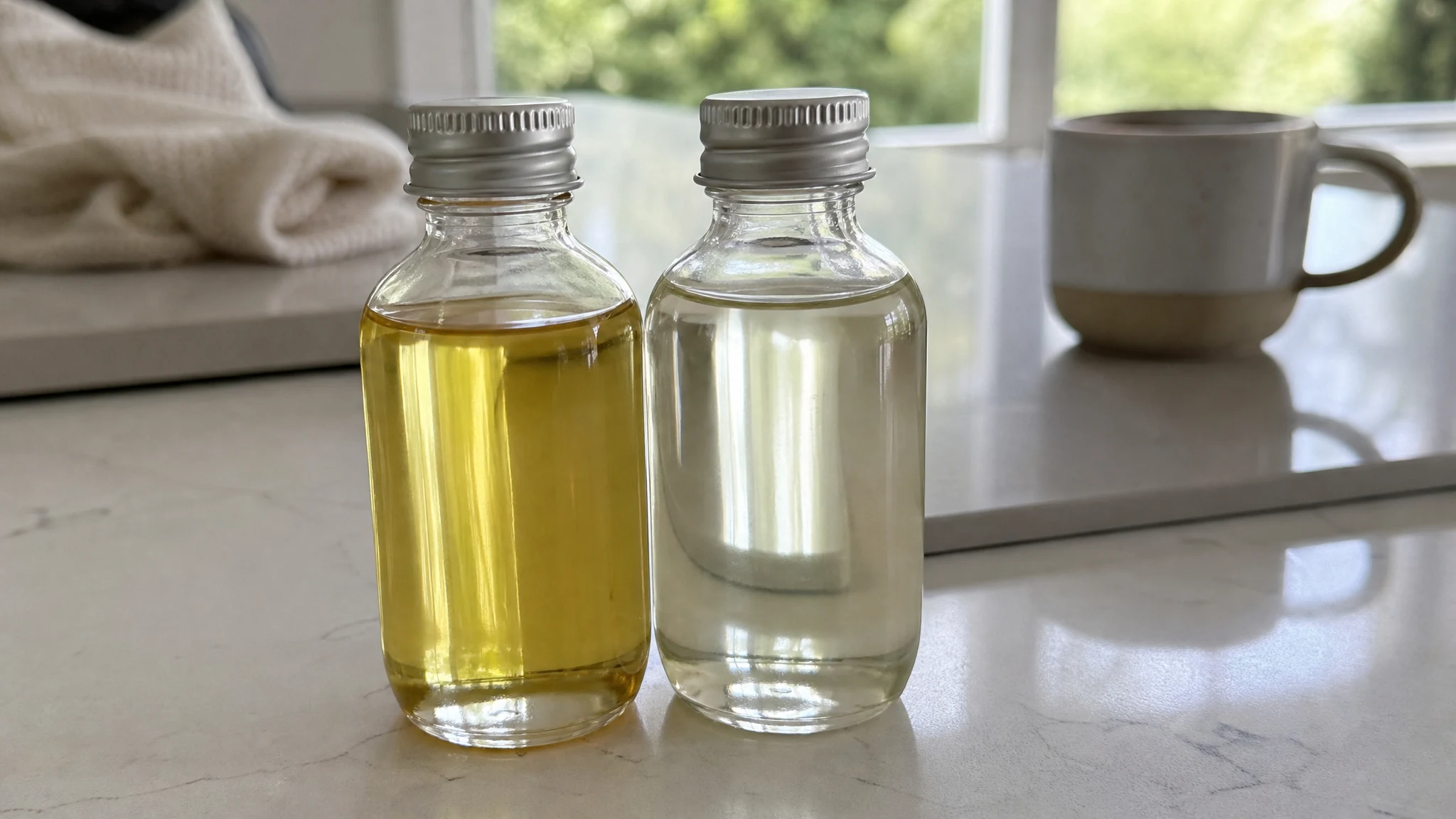
- Colour. It starts clear and pale gold. A noticeable darkening is a sign to take a closer look.
- Feel. Castor oil is already thick, so look for a film that has turned tackier and stickier than you remember.
The FDA's guidance on cosmetics is short and sensible here: discard any product that changes colour or smells different. If you are unsure, replace it. A new bottle costs far less than the doubt.
Storing it so it lasts
None of this takes equipment.
- Keep the lid on tight, every time. Air is what oils dislike most.
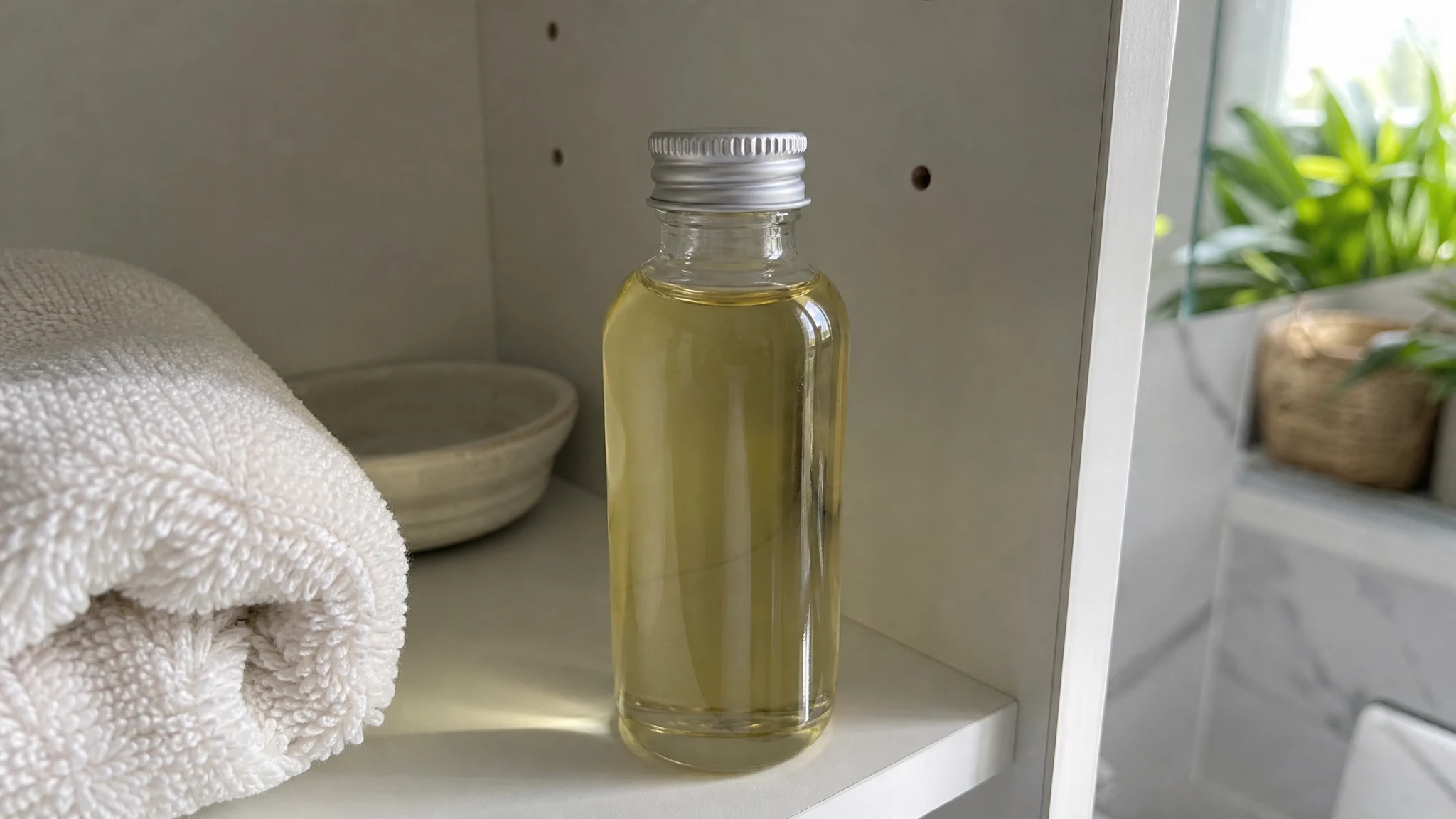
- Choose a cool, dark spot, such as a drawer or cabinet away from the stove, the radiator and the sunny windowsill. The FDA advises protecting cosmetics from temperature extremes, and the review's 12-month figure assumes no excessive heat.
- Start with clean, dry hands, or pour a little into a clean dish, so water and bits of skin never get into the bottle.
- Never pour used oil back in.
A worked example
Say you buy a 4 oz bottle for a weekly scalp or cuticle ritual. Four ounces is about 118 millilitres. A generous teaspoon is about 5 millilitres, so one teaspoon a week uses the bottle in a little over 23 weeks, roughly five months. That is comfortably inside the 12-month general figure, and the oil never sits long enough to worry about.
Now take a 16 oz bottle, around 473 millilitres, used at the same pace. That is nearly two years of weekly teaspoons. For a pace like that, the smaller sizes are the better match, and you can decant a little into a small clean bottle for the bathroom shelf while the larger one stays sealed in a cupboard. Our cold-pressed versus refined post explains why two oils with the same name can differ, and how to tell if castor oil is pure is a good companion read when you are inspecting a bottle.
Treat the bottle kindly and castor oil will usually return the favour. Open it, smell it, and trust what you notice.
Organic Castor Oil
Cold-pressed, hexane-free organic castor oil, from a 0.5 oz sample to bulk sizes.
From $13.99
Shop Organic Castor Oil →Sources & Further Reading
- Patel VR, Dumancas GG, Kasi Viswanath LC, Maples R, Subong BJJ. Castor Oil: Properties, Uses, and Optimization of Processing Parameters in Commercial Production. Lipid Insights, 2016.
- Yeboah A, Ying S, Lu J, et al. Castor oil (Ricinus communis): a review on the chemical composition and physicochemical properties. Food Science and Technology, 2021.
- U.S. Food and Drug Administration. Using Cosmetics Safely.