What Is Castor Oil? Types, Uses and How to Choose
Castor oil is a thick, pale-gold oil pressed from the seeds of the Ricinus communis plant, and up to about 90 percent of it is one fatty acid, ricinoleic acid. That single fact explains most of its personality: it pours slowly, clings to whatever it touches and feels richer than any other oil on the shelf.
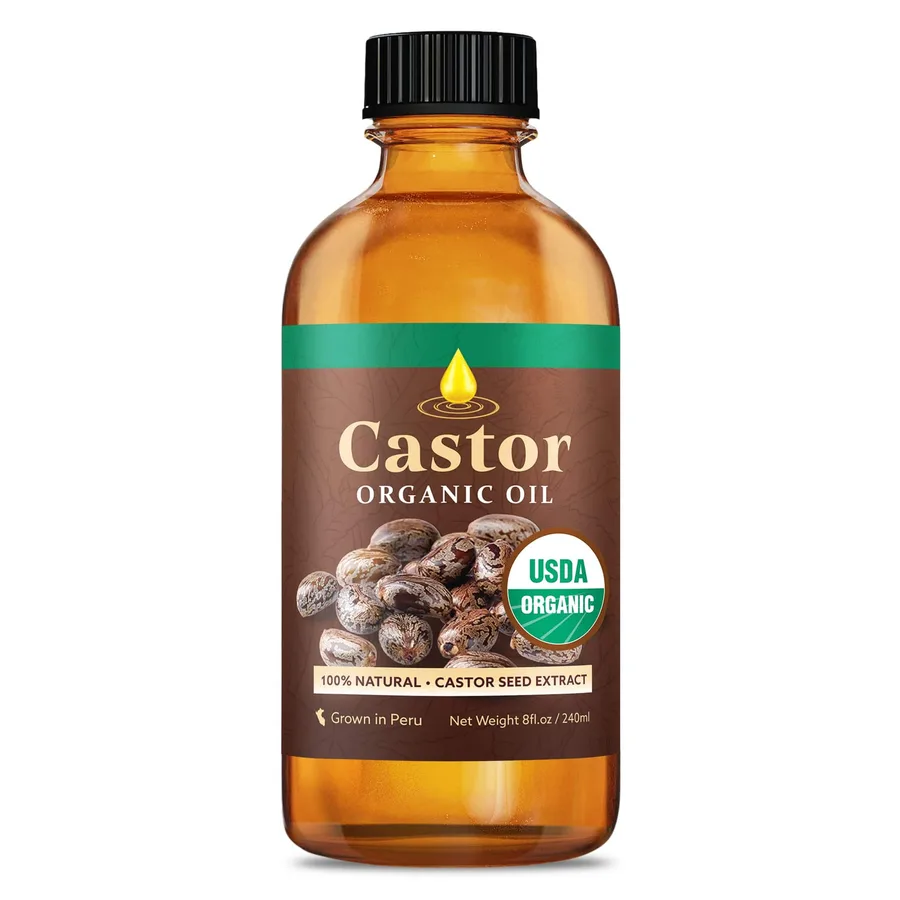
Organic Castor Oil
Cold-pressed, hexane-free castor oil, in sizes from a 0.5 oz sample to bulk drums.
From $13.99
Shop Organic Castor Oil →Slow, glossy and a little goes far
Pour a few drops into your palm and you will see right away why castor oil has its own following. It is viscous in a way olive or sweet almond oil never is, so it does not spread so much as settle. We think of that as character. It is why a small amount leaves a soft, cushioned film, and why most people warm it between their hands first, or stand the bottle in a bowl of warm tap water for a few minutes, so it glides instead of drags.
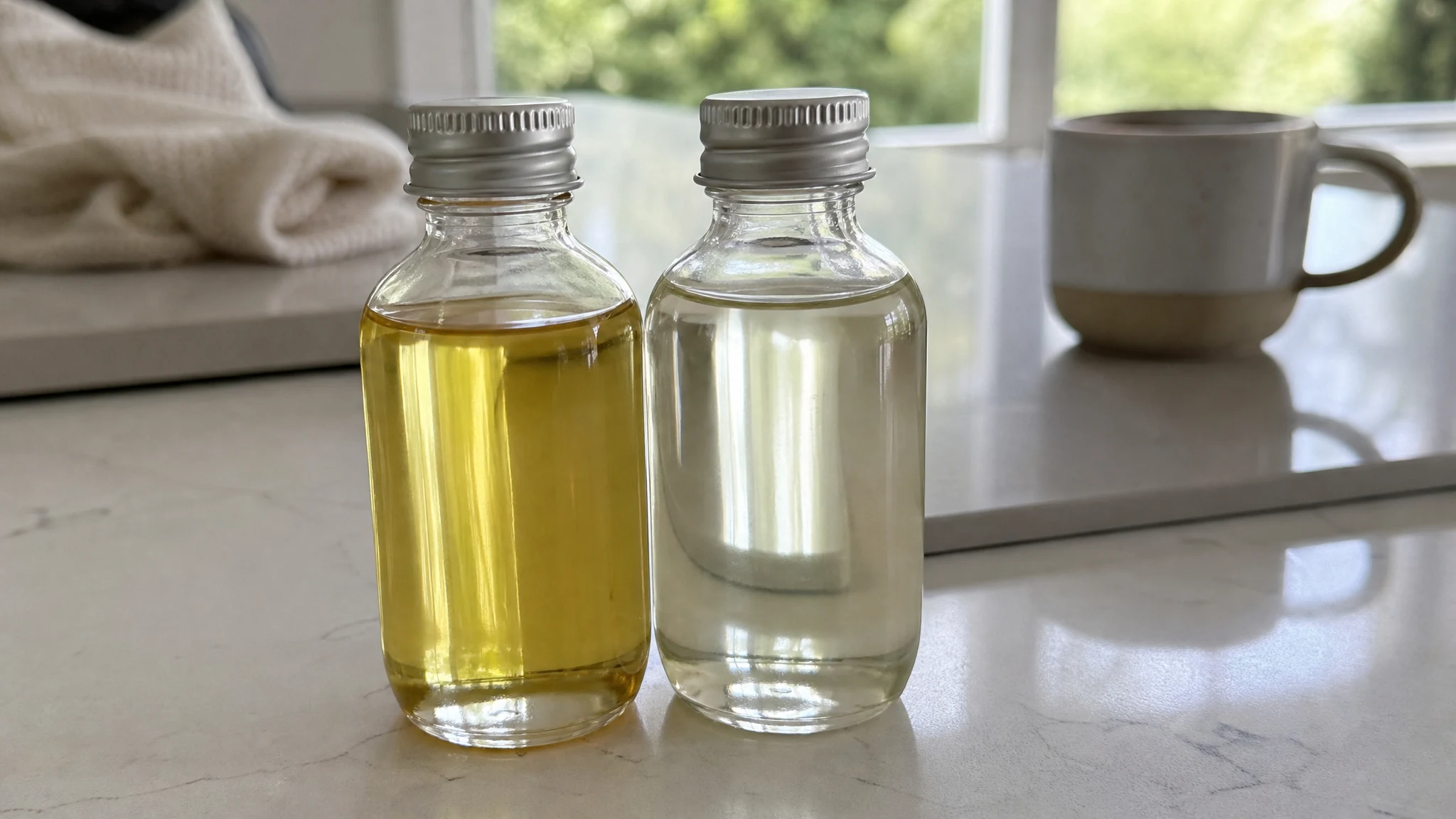
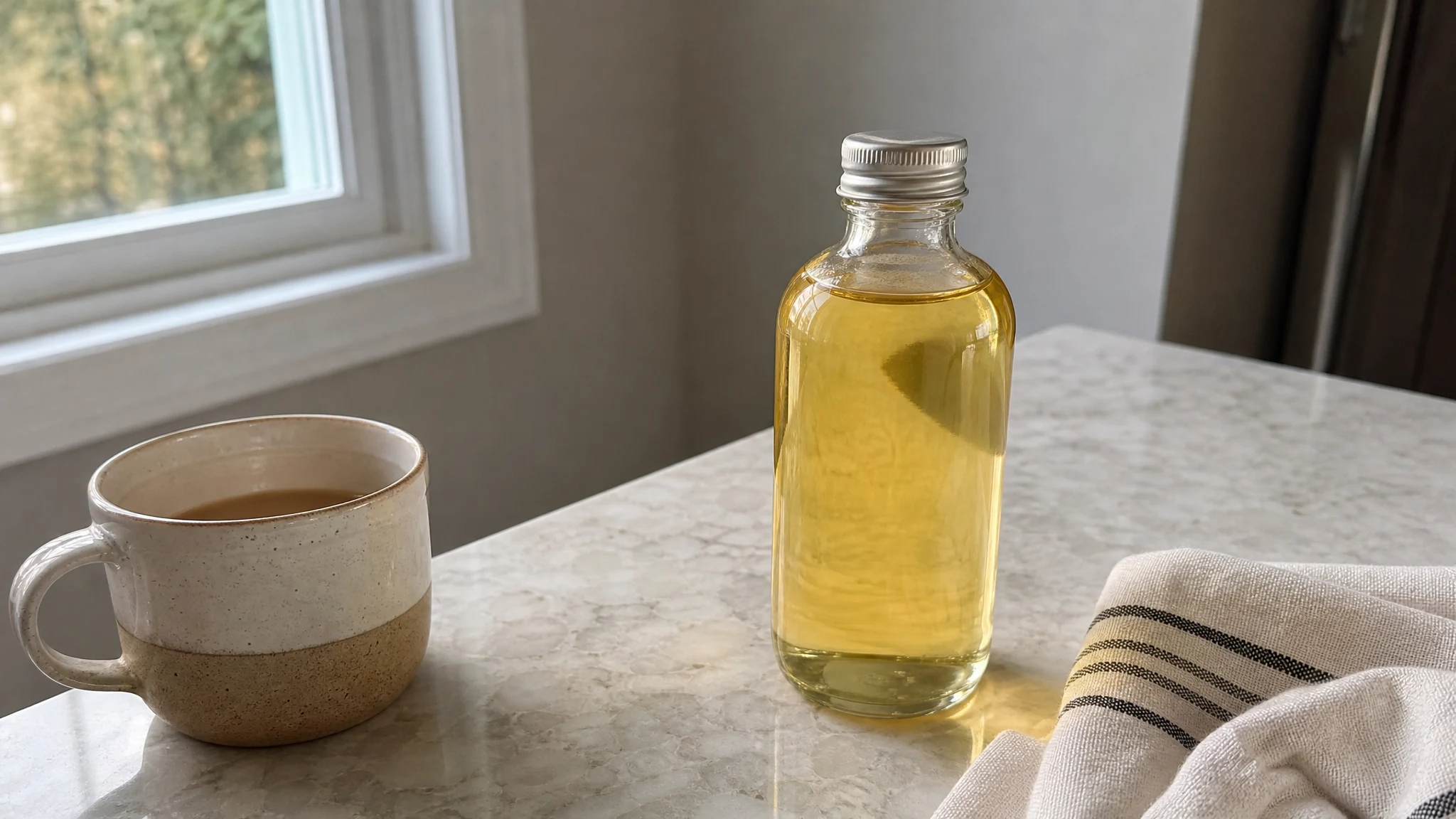
It is also pale. Crude castor oil is described as pale yellow to straw coloured, with a faint, mild scent, which is the look you want to see in a bottle meant for skin and hair.
What people reach for it to do
We describe cosmetic uses here, not medical ones. In cosmetic terms, castor oil is a rich moisturizer for dry skin: it leaves skin feeling soft and smooth, and its sealing feel suits dry patches like elbows, heels and hands. Our guide to castor oil for skin goes into how to apply it. On hair it conditions and adds shine, and used on lengths and ends it helps hair look fuller; castor oil for hair covers routines in detail.
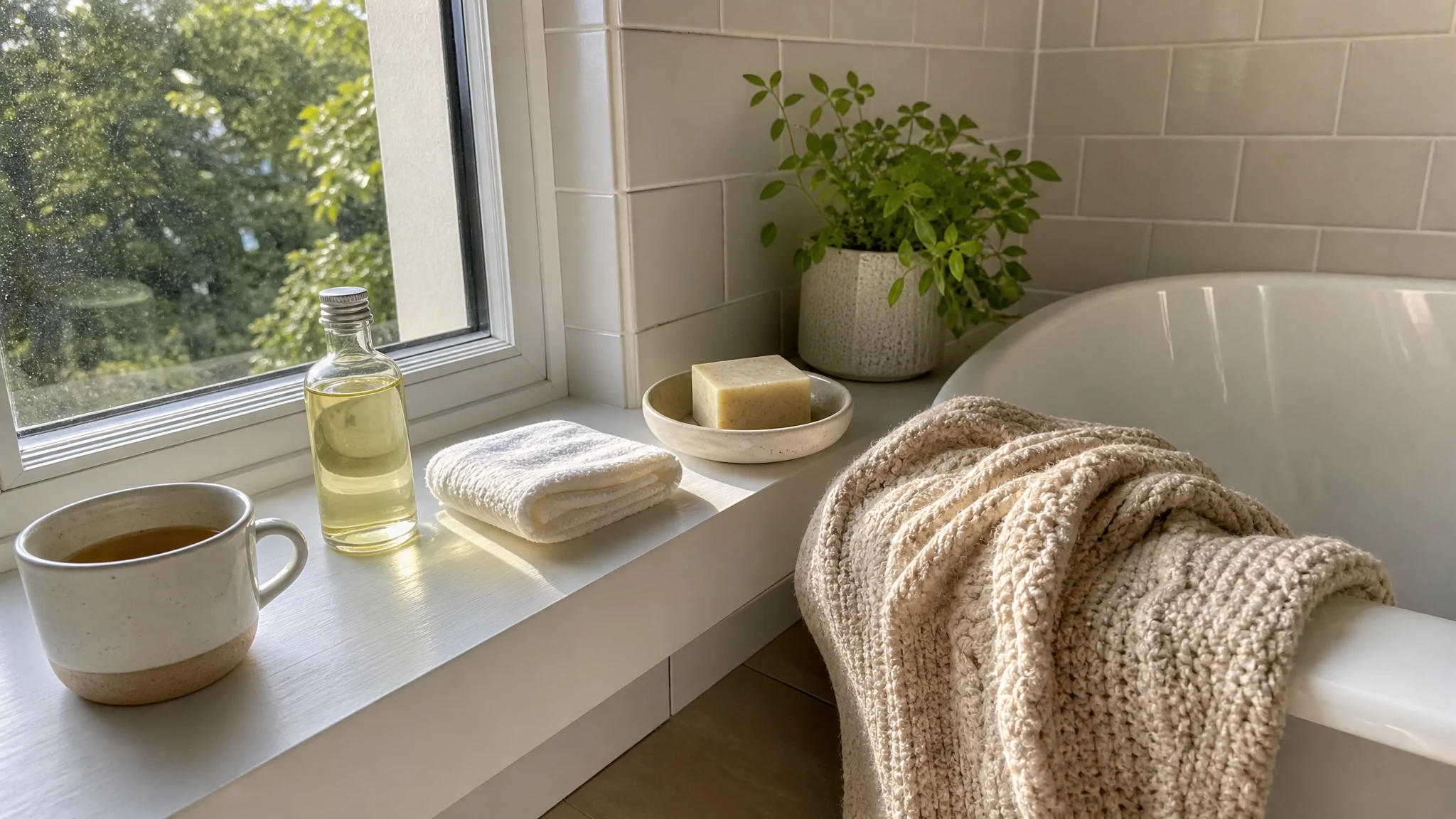
Some people turn it into a quiet ritual, soaking a soft cloth and resting it on the skin under a warm towel. If that appeals, how to make a castor oil pack walks through the steps. Others make things with it. Industry has long used it in soaps, lubricants, paints, coatings and furniture oil, and home makers reach for it in soaps and balms for the same slow, glossy quality.
Three kinds you will meet
Not every bottle labelled castor oil is the same oil in the same state, and the differences come down to how it was made.
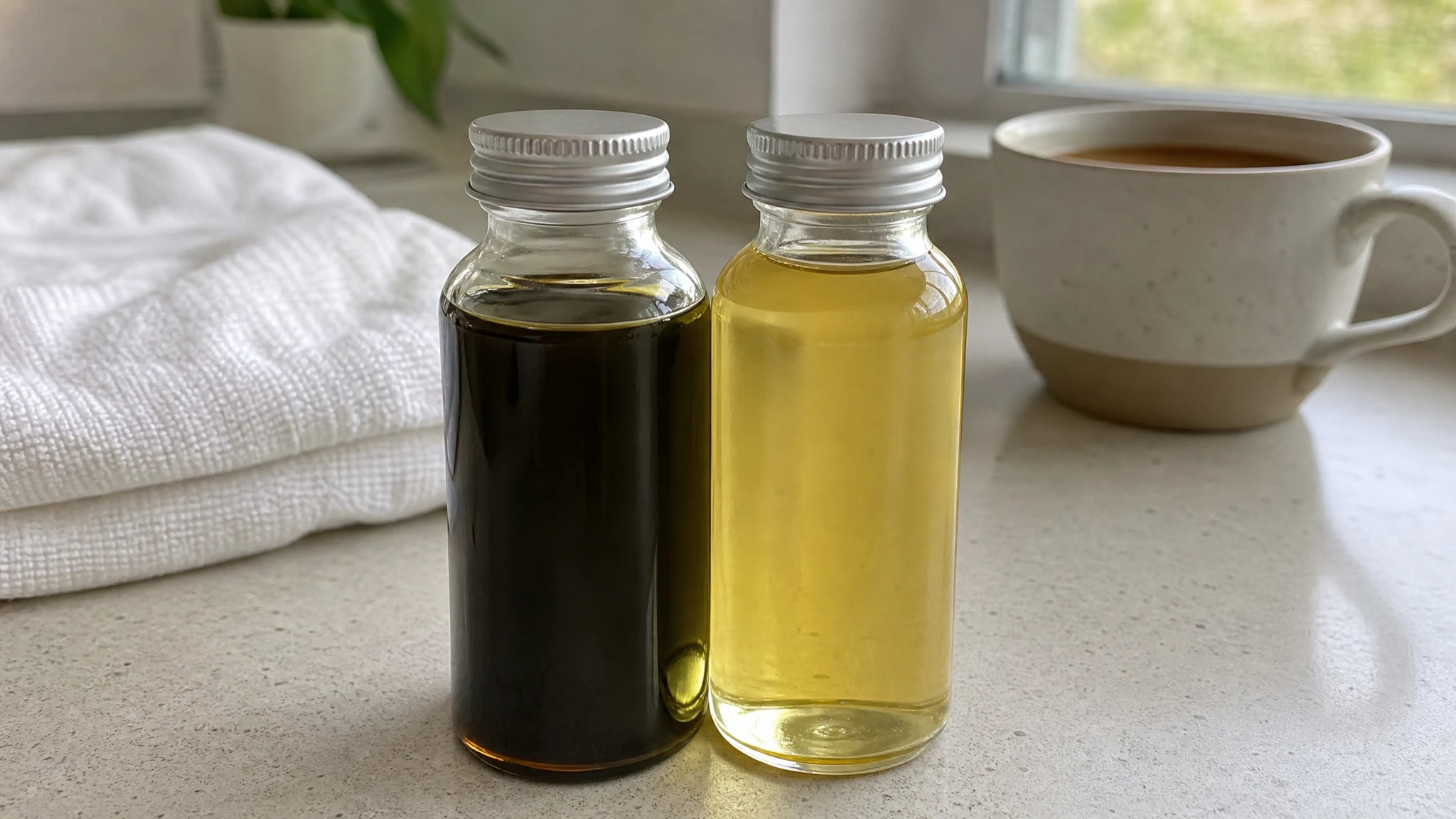
- Cold-pressed: the seeds are pressed mechanically and the oil is filtered. Cold pressing gives oil that is lighter in colour than solvent-extracted oil. This is the kind we sell, and cold-pressed vs refined castor oil explains the choice.
- Refined: oil that has been through steps such as bleaching and deodorizing, which can leave it colourless or close to it.
- Jamaican black: made from roasted beans, dark and distinctive. Jamaican black castor oil vs castor oil compares the two fairly.
Organic is a separate question from all three. It describes how the crop was grown and handled, which we unpack in organic vs regular castor oil.
What the evidence does and does not say
Some of what is said about castor oil rests on solid ground and some on tradition. The firm ground is its use as a cosmetic ingredient: the Cosmetic Ingredient Review expert panel found castor seed oil safe as a cosmetic ingredient in the practices of use and concentrations described in its assessment, and notes it works mainly as a skin-conditioning agent. Beyond that, a recent narrative review of castor oil in dermatology says more clinical investigation is needed. So we keep our claims where they belong: a rich, conditioning oil that feels lovely, not a remedy for anything.
Do a patch test on a small area first, keep it out of your eyes, and ask a doctor or dermatologist about anything specific to you. Our castor oil side effects post covers reactions in more depth.
A few handling habits
Castor oil rewards a light touch. Start with two or three drops, warm them, and add more only if you need it, because the film it leaves is richer than you expect. Keep the cap on tight and the bottle out of direct sun so the oil stays pale and mild, and wipe the neck of the bottle so it does not get sticky on the shelf. A cotton cloth or an old towel under your work area saves trouble, since a drop that lands on fabric is slow to wash out.
Choosing a bottle
We have been pressing oil since 2001, so we have strong opinions here. For skin and hair, look for a single ingredient, a clear statement of how it was pressed, and a supplier willing to show you paperwork behind their claims. How to tell if castor oil is pure and castor oil grades help you read what you find. If you want the process in full, how castor oil is made follows the seed to the bottle, and ricinoleic acid looks closer at that one fatty acid. Our organic cold-pressed castor oil is castor oil only, pressed without heat or solvents.
It is a humble seed that makes a surprisingly characterful oil, and once you have felt that slow, glossy pour you will understand why people keep a bottle close.
Organic Castor Oil
Cold-pressed, hexane-free organic castor oil, from a 0.5 oz sample to bulk sizes.
From $13.99
Shop Organic Castor Oil →Sources & Further Reading
- Castor Oil: Properties, Uses, and Optimization of Processing Parameters in Commercial Production (Patel et al., Lipid Insights, 2016)
- Re-Review Summary of Ricinus Communis (Castor) Seed Oil and Ricinoleates as Used in Cosmetics (Fiume et al., 2025)
- Use of Castor Oil in Dermatology: A Narrative Review (Girdler et al., Cureus, 2026)