Castor Oil Grades Explained: Which One Belongs on Skin?
Grade sounds like a ruler: Grade A at the top, lower grades below, everyone measured the same way. For castor oil bought for personal care, it is nothing of the sort. It is a word suppliers choose, and understanding what sits behind it is the quickest way to buy well.
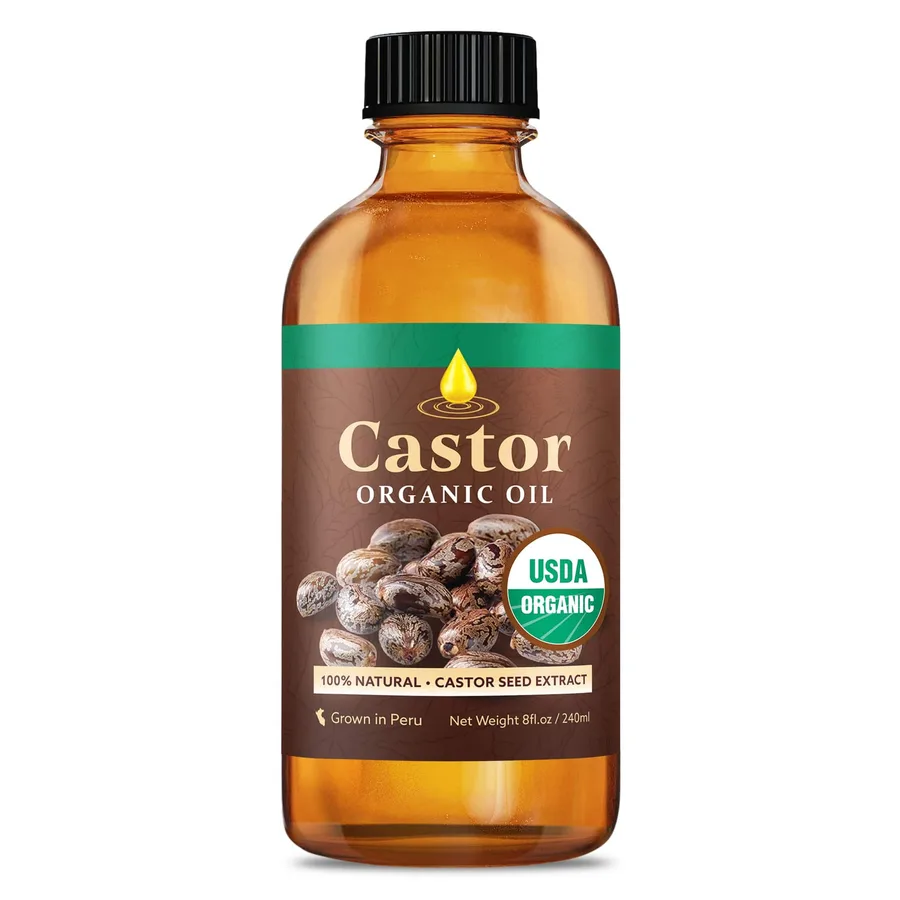
Organic Castor Oil
Cold-pressed, hexane-free castor oil, in sizes from a 0.5 oz sample to bulk drums.
From $13.99
Shop Organic Castor Oil →Where castor oil goes before it reaches a bottle
A lot of castor oil never touches skin. A review of commercial castor processing lists soaps, lubricant base stocks, paints, coatings, furniture oil and inks among its uses. Industrial and technical oils are made for those jobs, and they are made to suit them, not to sit in a bathroom cabinet.
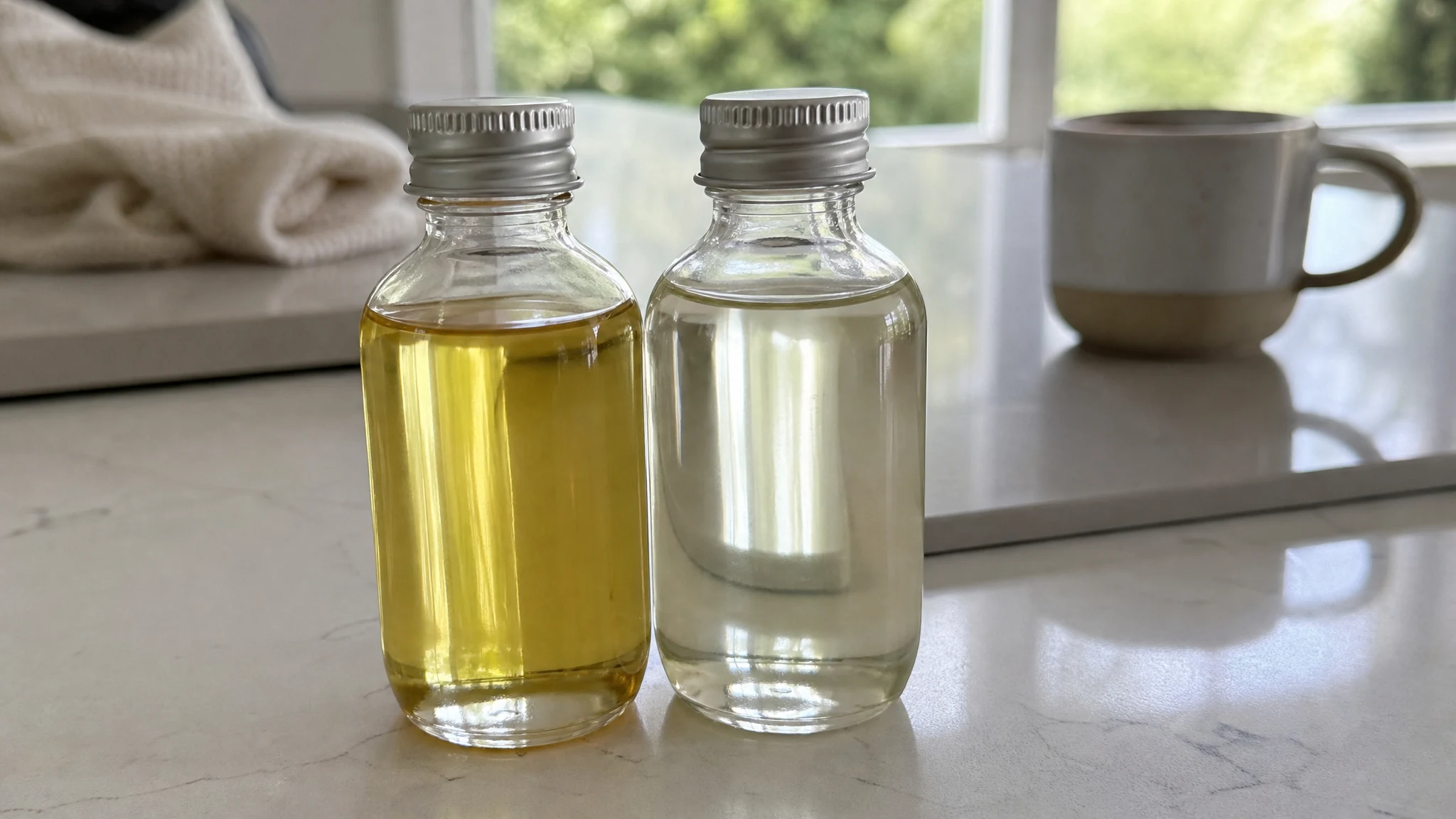
Between the technical oils and the skin-care shelf sits refined oil. The same review describes degumming, neutralization, bleaching and deodorization, steps that can leave oil colourless or nearly so, and notes that cosmetic formulations call for oil that meets colour limits. Refined oil is a legitimate material for makers who need something neutral.
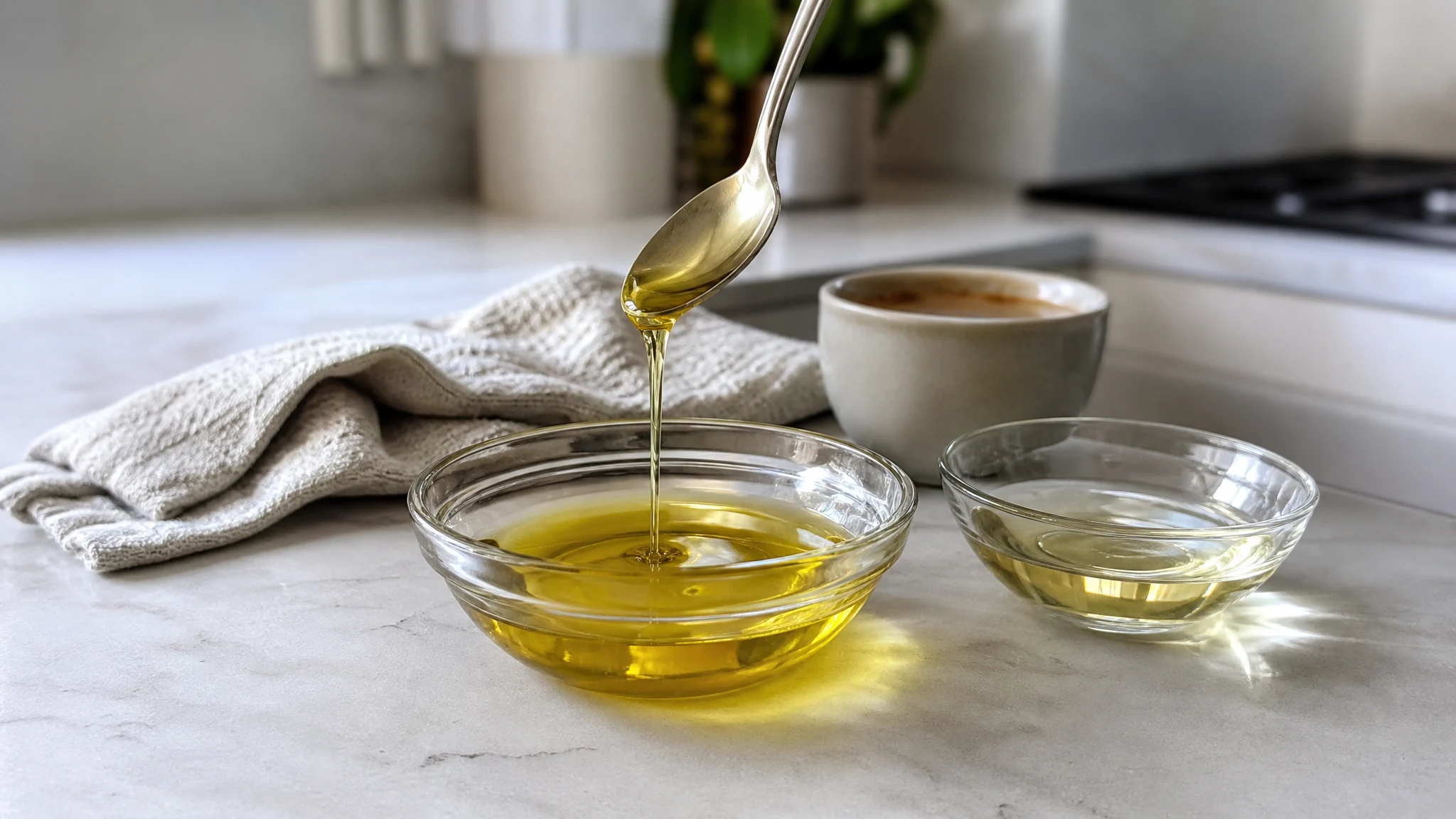
Then there is cold-pressed oil, pressed mechanically without added heat and sold for personal care. The review says cold pressing gives oil with lower acid content and lighter colour than solvent-extracted oil. Our cold-pressed vs refined castor oil guide goes through the difference in detail.
Why the word grade tells you so little
FDA does not approve cosmetic products or ingredients before they go on sale, and it holds makers responsible for their products. So a bottle that says cosmetic grade or pure grade is using the maker's own wording. That is not a reason to distrust it. It is a reason to look past it to things that can be checked.
- The ingredient list. FDA requires one on cosmetics sold at retail. You want castor oil, and only castor oil.
- The process words. Cold-pressed, hexane-free, refined, bleached and deodorized each describe something specific.
- The paperwork. Ask for the documentation behind any claim, from any supplier, us included.
Three bottles, three readings
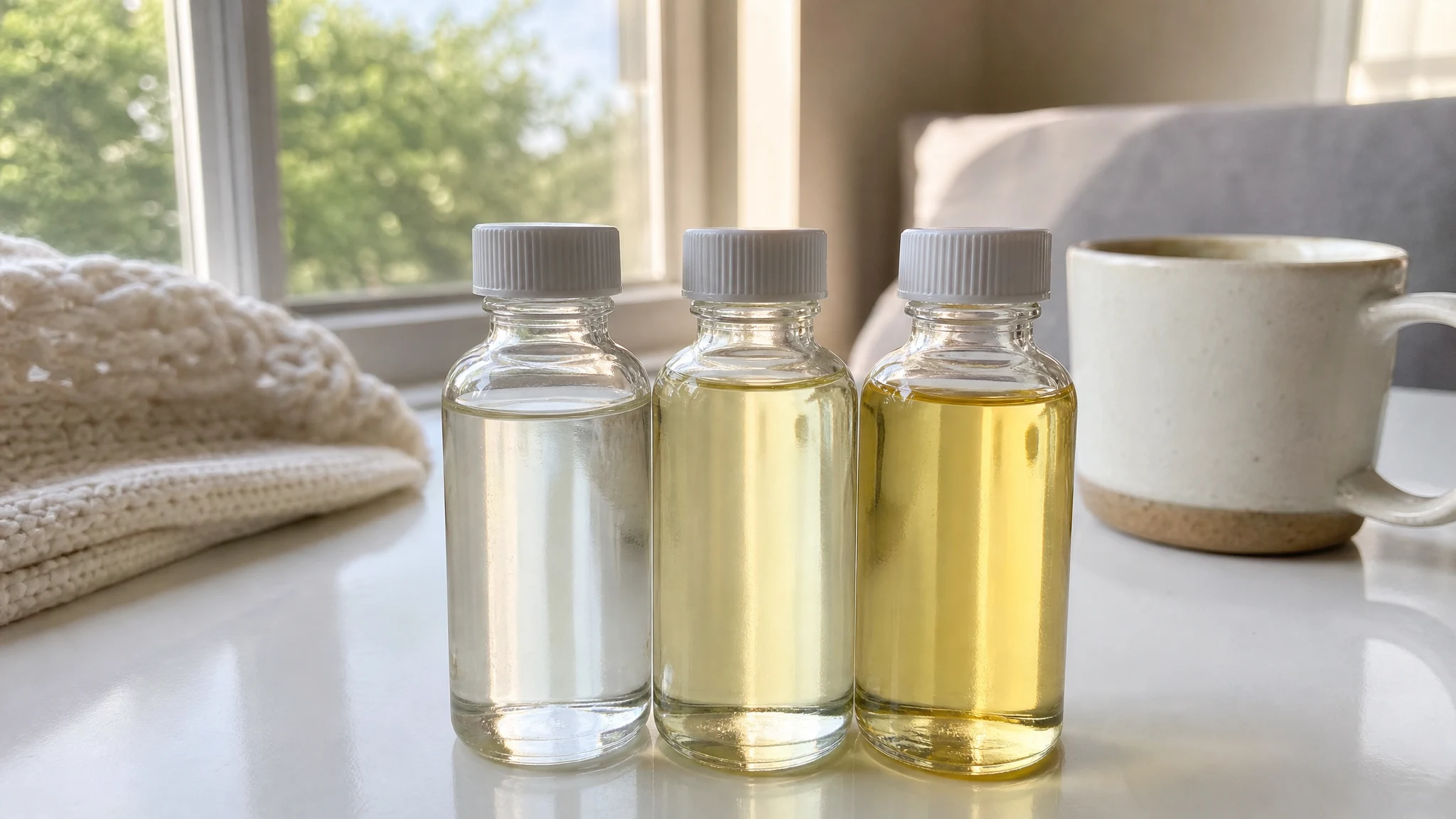
Imagine you are looking at three bottles. The first lists castor oil as its only ingredient and says cold-pressed. The second says cosmetic grade in large letters and gives no ingredient list. The third says refined, bleached and deodorized. The first gives you two facts you can check. The second gives you a slogan. The third is honest about being processed, which suits some jobs well. None of this needs a lab, only a careful read, and it works on any bottle in any shop.
If you buy in quantity
The same reading applies when you buy for a business, and the stakes are higher because the quantities are larger. Makers of soaps, balms and hair products often start with a sample, compare it against what the supplier has written down, and only then scale up. Our guide to buying castor oil in bulk covers that route, and our wholesale page explains private label and samples.
What we call ours
Our product page calls the oil pure grade, and by that we mean what is on the bottle: castor oil as the only ingredient, cold-pressed and hexane-free, with no added fragrance, dye or filler. It is our description of a single-ingredient oil, not an official designation, which is exactly the point of this article. See our organic cold-pressed castor oil for the full description.
Which one belongs on skin? We would reach for cold-pressed and hexane-free, and we have laid out why. If organic is also on your list, organic vs regular castor oil is a separate question to read next, and how to tell if castor oil is pure offers a few checks you can do at home. If you are just getting started, what is castor oil is a friendly beginning.
A word on a label is where the conversation starts, not where it ends, and a few good questions will get you the rest.
Organic Castor Oil
Cold-pressed, hexane-free organic castor oil, from a 0.5 oz sample to bulk sizes.
From $13.99
Shop Organic Castor Oil →Sources & Further Reading
- Castor Oil: Properties, Uses, and Optimization of Processing Parameters in Commercial Production (Patel et al., Lipid Insights, 2016)
- FDA Authority Over Cosmetics: How Cosmetics Are Not FDA-Approved, but Are FDA-Regulated