Organic vs Regular Castor Oil: What the Label Really Means
The word organic on a bottle of castor oil is a promise about the plant and how it was handled, not a promise about the finished oil's strength, purity or results. That distinction trips up a lot of shoppers, so it is worth slowing down for a moment, because it changes what you should ask a supplier.
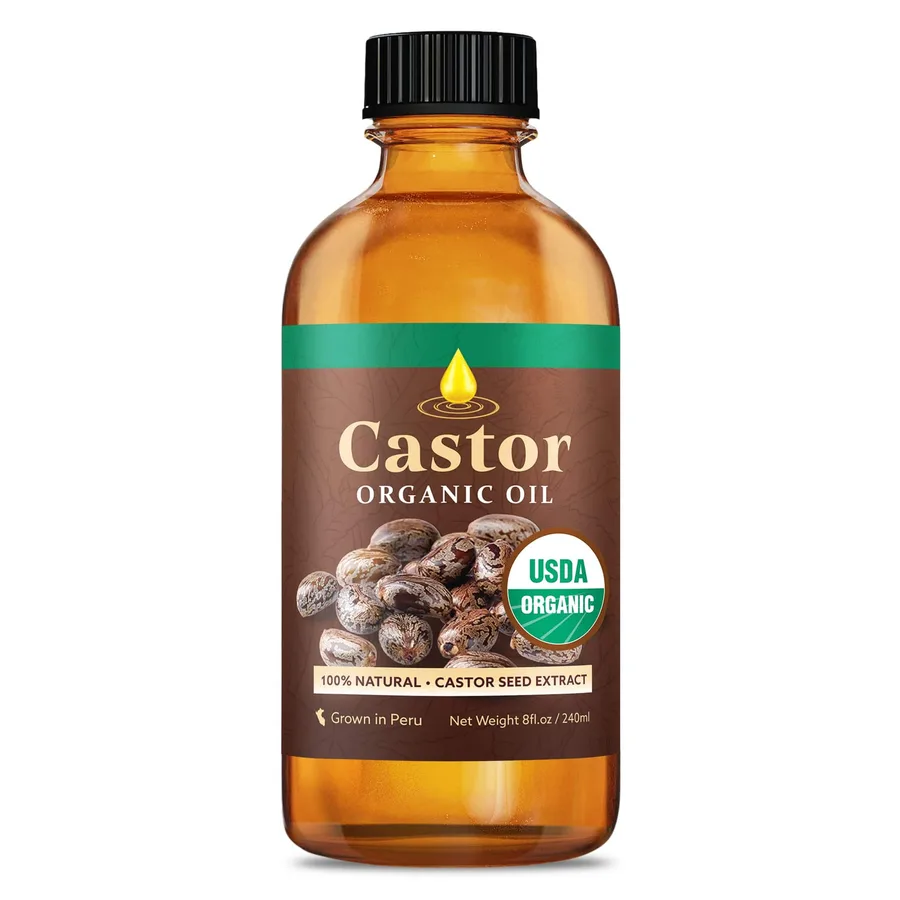
Organic Castor Oil
Cold-pressed, hexane-free castor oil, in sizes from a 0.5 oz sample to bulk drums.
From $13.99
Shop Organic Castor Oil →What the organic rules actually cover
In the United States, a product sold or labelled organic must be produced and handled without synthetic substances (apart from those specifically allowed), without excluded methods such as genetic engineering, without ionizing radiation and without sewage sludge. Those are the rules in the federal organic regulations, and they apply to handling as well as farming.
The handling rules are worth noticing. A handler of organic products has to prevent mixing with non-organic product and protect organic product from contact with prohibited substances. The regulations also bar volatile synthetic solvents and other synthetic processing aids that are not on the allowed list from products labelled organic. A solvent like hexane belongs to that general family, which is why organic oil and hexane-free oil often travel together. They are still two claims, though.
What it leaves out
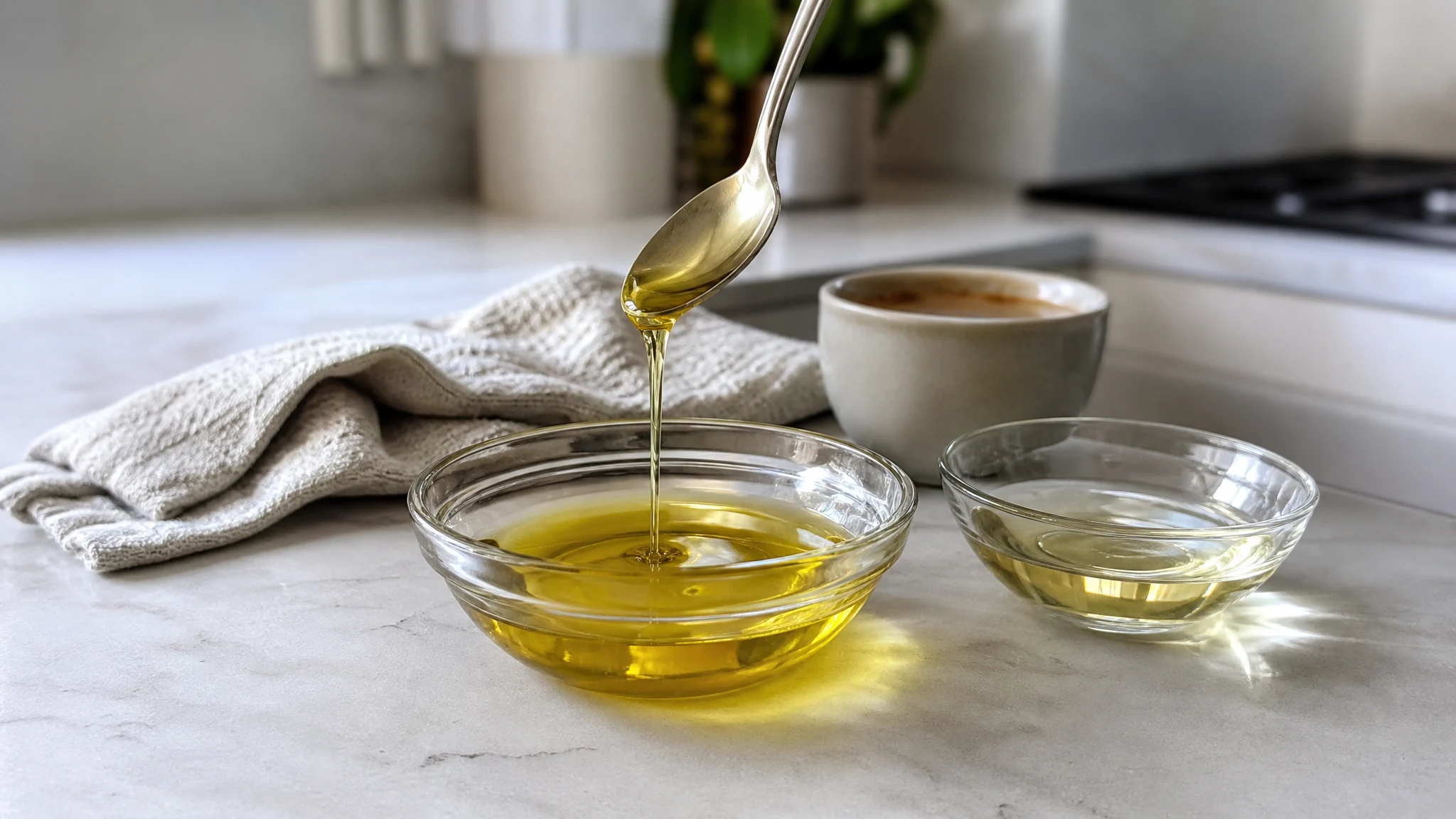
Organic does not say how the seeds were pressed. An oil can be organic and not cold-pressed, and an oil can be cold-pressed from conventionally grown seed. Neither claim stands in for the other, so we look for both. The rules also say nothing about how an oil feels or how it will perform on your skin or hair, and a certified oil is not automatically better for you than one that is not. Think of the label as a description of the crop's history. We find that freeing: you do not have to expect a miracle from the word organic, and you do not have to feel let down when the oil simply behaves like castor oil, pale gold, slow to pour and pleasantly sticky-rich on the fingers.
Where castor comes from
Castor is a global crop with one clear centre of gravity. A review of commercial castor processing calls India the world leader in castor seed and oil production, accounting for more than 90 percent of castor oil exports, with about 86 percent of India's seed coming from the state of Gujarat. For most bottles on the market, then, the paper trail begins on Indian farms, and any organic claim has to be traced back through that chain. That is exactly why a good supplier should be able to show you what stands behind the word.
For our own oil, the beans are hand-harvested on organic farms, which is the part of the story we enjoy telling most. It is easy to forget that a bottle on a bathroom shelf began as a plant, picked by a person, long before it was ever pressed.
Organic and cold-pressed together
When you shop for an oil, read three things in order: the ingredient list first, then the process words, then the organic claim. The ingredient list tells you what is in the bottle. The process words tell you how it was pressed. The organic claim tells you about the crop. Each answers a different question, and only together do they give you a full picture. A bottle that names all three clearly is a bottle from someone who is proud of how it was made.
A habit we would suggest: turn the bottle around and read the back before the front. The front is where the marketing lives, and the back is where the facts tend to be. We like a short back panel with one name on it, castor oil, because there is nothing left to decode.
What to ask for
Our bulk listing states USDA organic certification, and our retail bottle is the same oil. We would say the same thing to any buyer of any castor oil: ask the supplier, us included, for the documentation behind the organic claim. Ask who certified the operation, whether the certificate is current and covers the product you are buying, and whether the supplier can tell you how the oil was pressed. A supplier who is proud of the product will be glad to answer. If you are buying for a business rather than a bathroom shelf, the same questions apply at larger sizes, and our guide to buying castor oil in bulk is written for exactly that conversation.
If you are comparing bottles, the process words matter as much as the organic claim. Cold-pressed vs refined castor oil explains them, and how castor oil is made shows where each step happens. For the bigger picture, start with what is castor oil. Our organic cold-pressed castor oil is castor oil only, with nothing added.
In the end, organic is a good question to ask and an even better one to follow up on, and a few minutes of paperwork is a small price for knowing what is in your bottle.
Organic Castor Oil
Cold-pressed, hexane-free organic castor oil, from a 0.5 oz sample to bulk sizes.
From $13.99
Shop Organic Castor Oil →Sources & Further Reading
- § 205.105 Allowed and prohibited substances, methods, and ingredients in organic production and handling (7 CFR Part 205)
- § 205.270 Organic handling requirements (7 CFR Part 205)
- § 205.272 Commingling and contact with prohibited substance prevention practice standard (7 CFR Part 205)
- Castor Oil: Properties, Uses, and Optimization of Processing Parameters in Commercial Production (Patel et al., Lipid Insights, 2016)