Castor Oil vs Rosehip Oil: Which Suits Your Face?
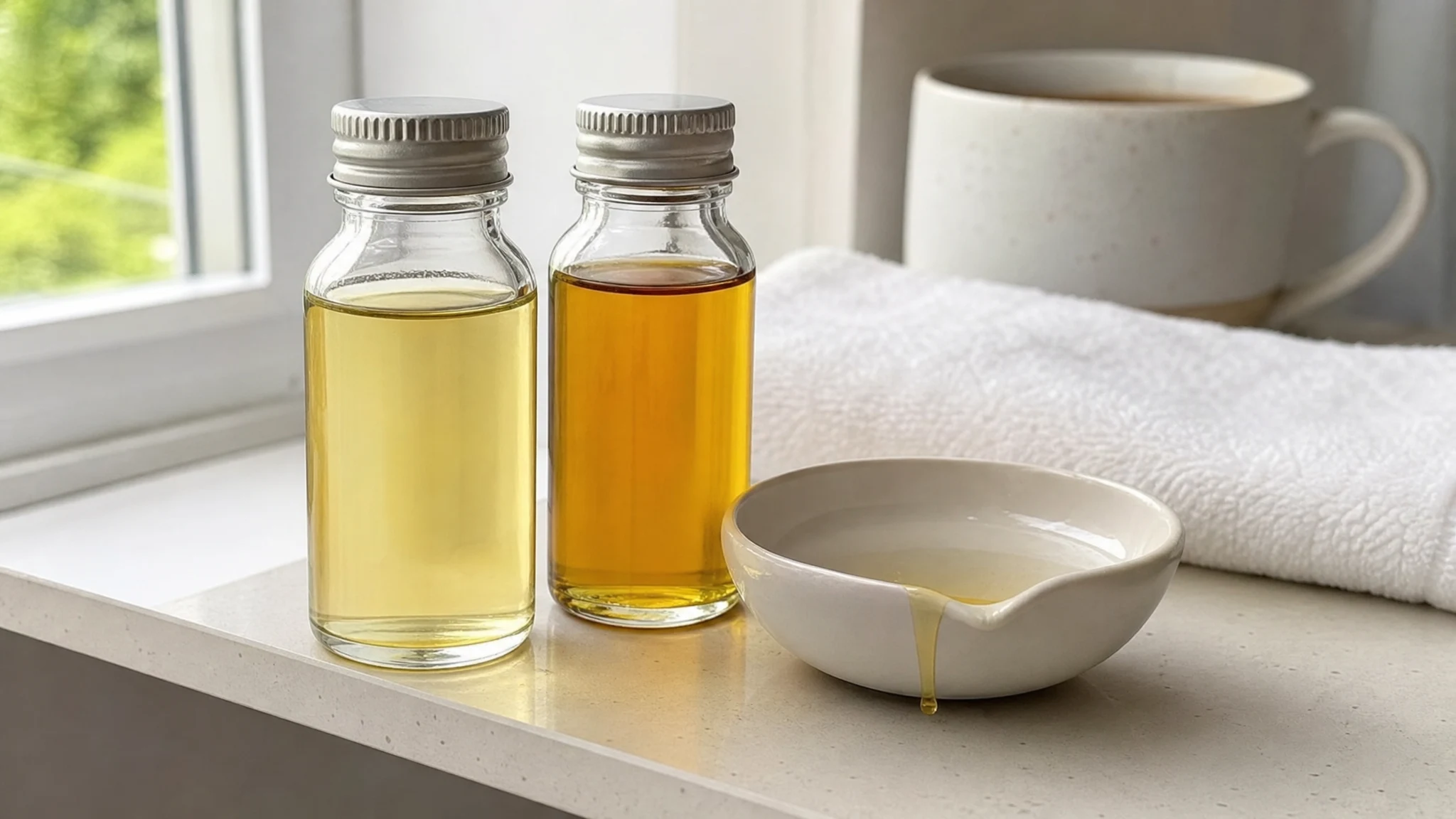
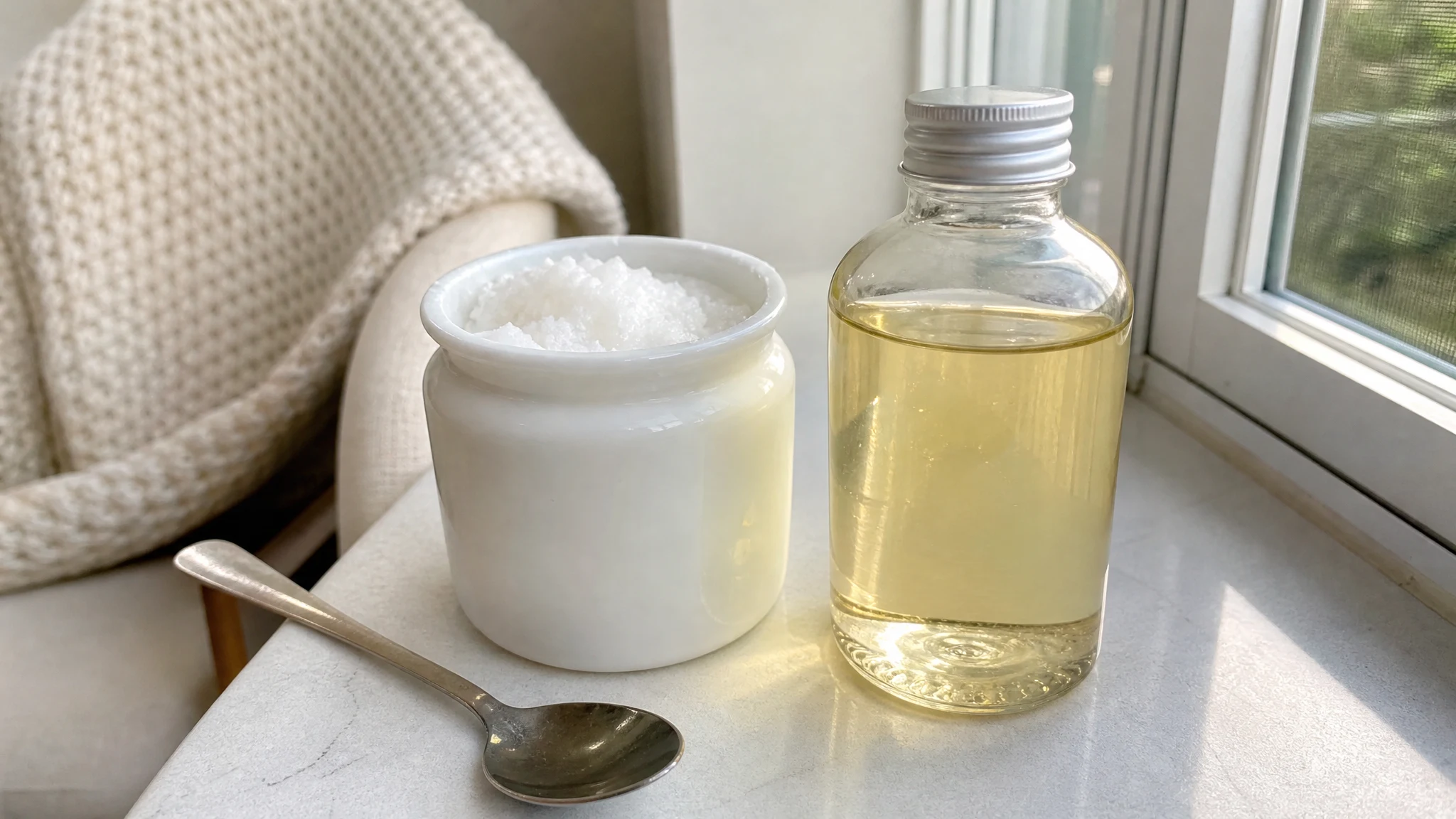
Put a little rosehip oil on the back of one hand and a little castor oil on the other, and you will learn most of what matters in about ten seconds. One slips out thin and is gone almost before you rub it in. The other sits there glossy and unhurried, like warm honey. Both are lovely oils; they are simply built for different jobs on the face.
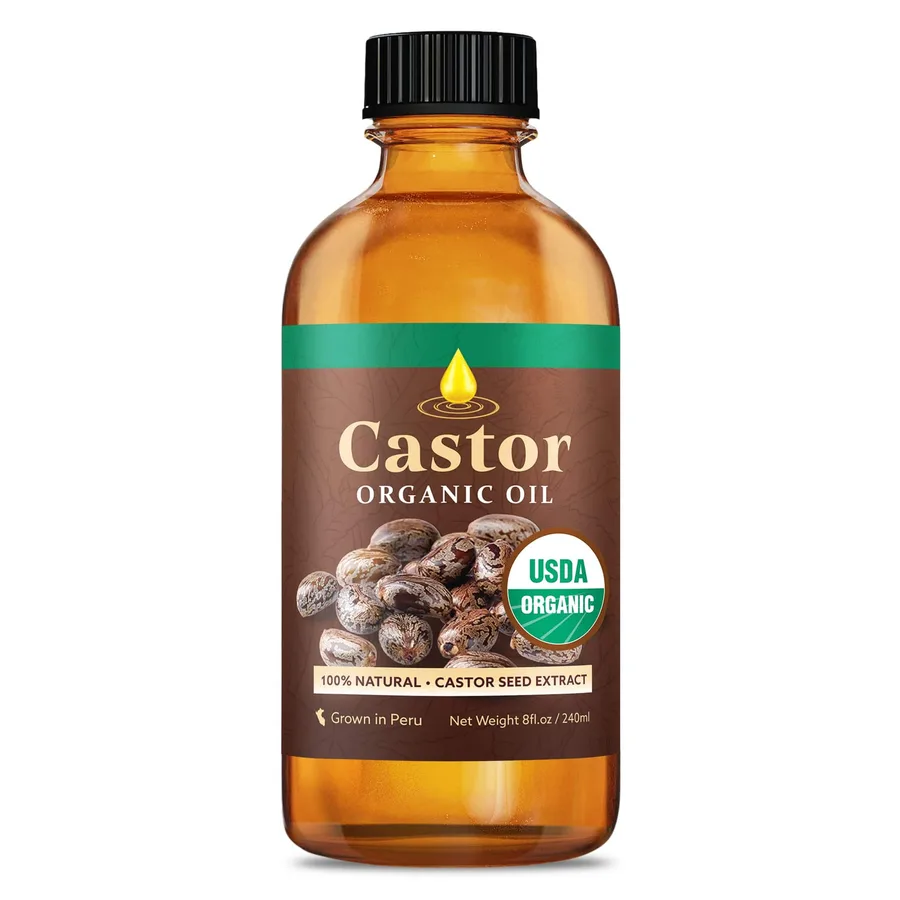
Organic Castor Oil
Cold-pressed, hexane-free castor oil, in sizes from a 0.5 oz sample to bulk drums.
From $13.99
Shop Organic Castor Oil →Why they feel so different
Castor oil is unusual among plant oils. Roughly 90 percent of it is a single fatty acid, ricinoleic acid, and that acid carries a hydroxyl group most other plant oils lack. A published review puts castor oil's viscosity at about 9 to 10 poise at 25 degrees C, which works out to roughly a thousand times the thickness of water. That is the whole personality in one number: slow to spread, long to linger.
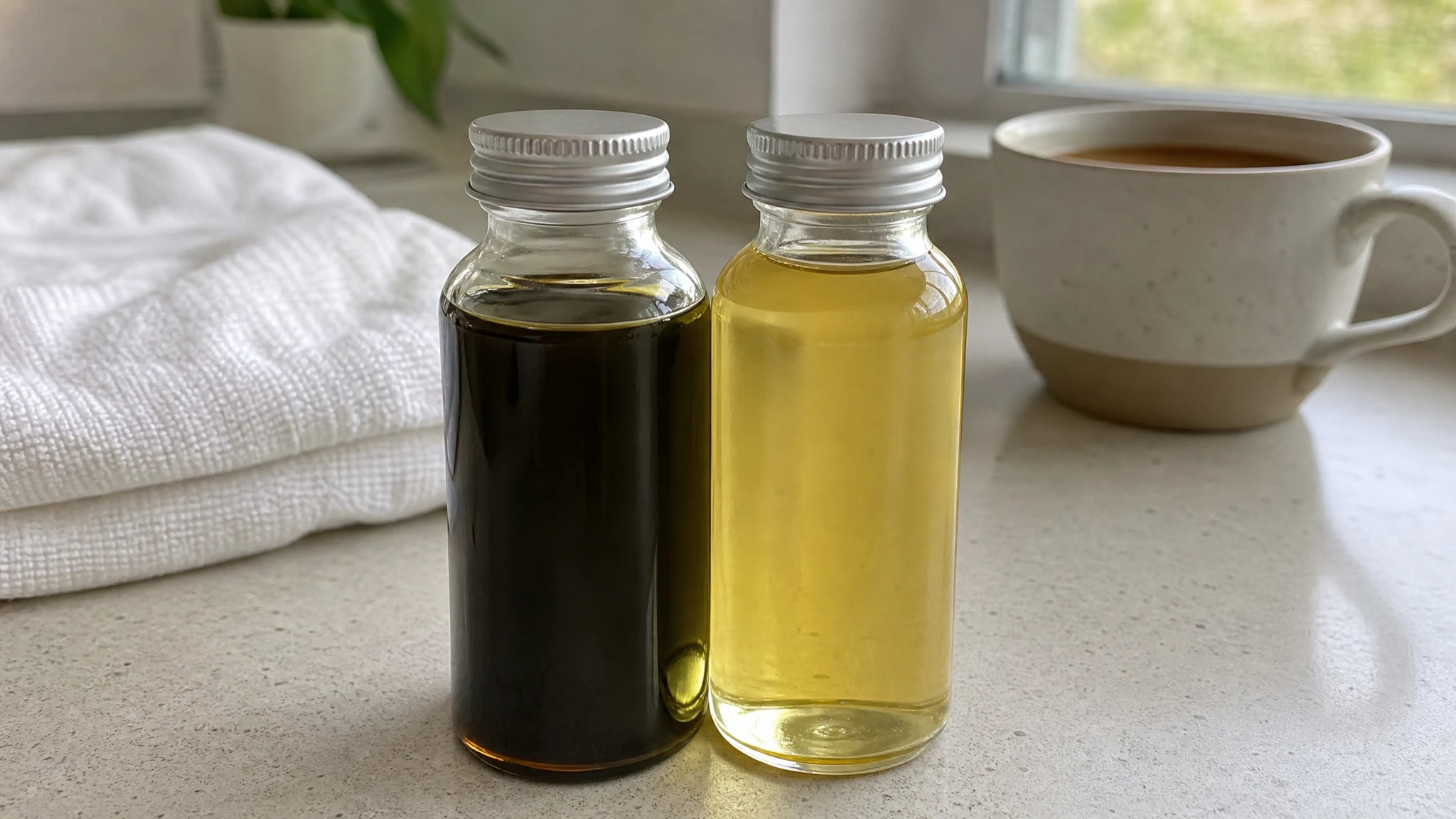
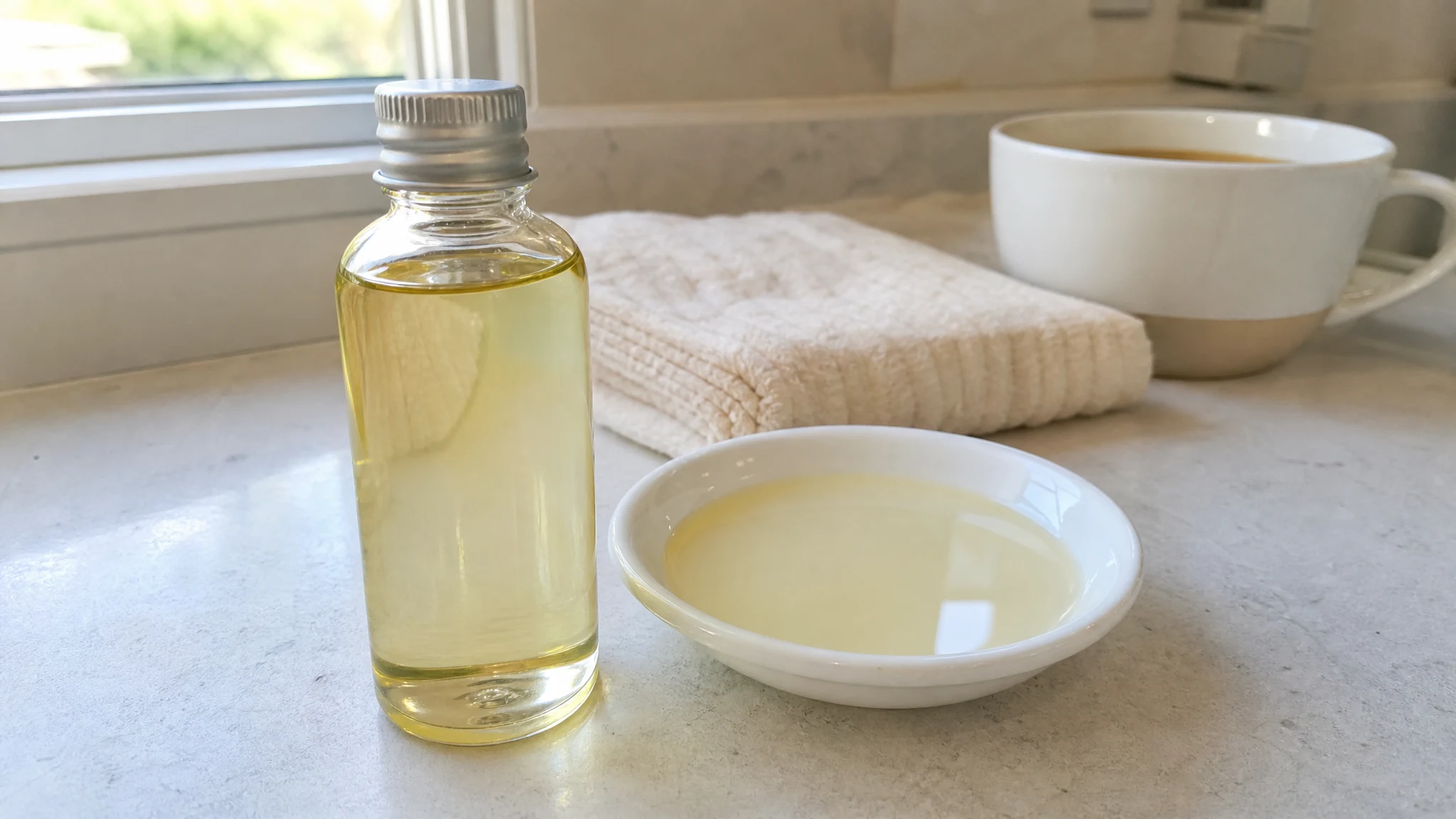
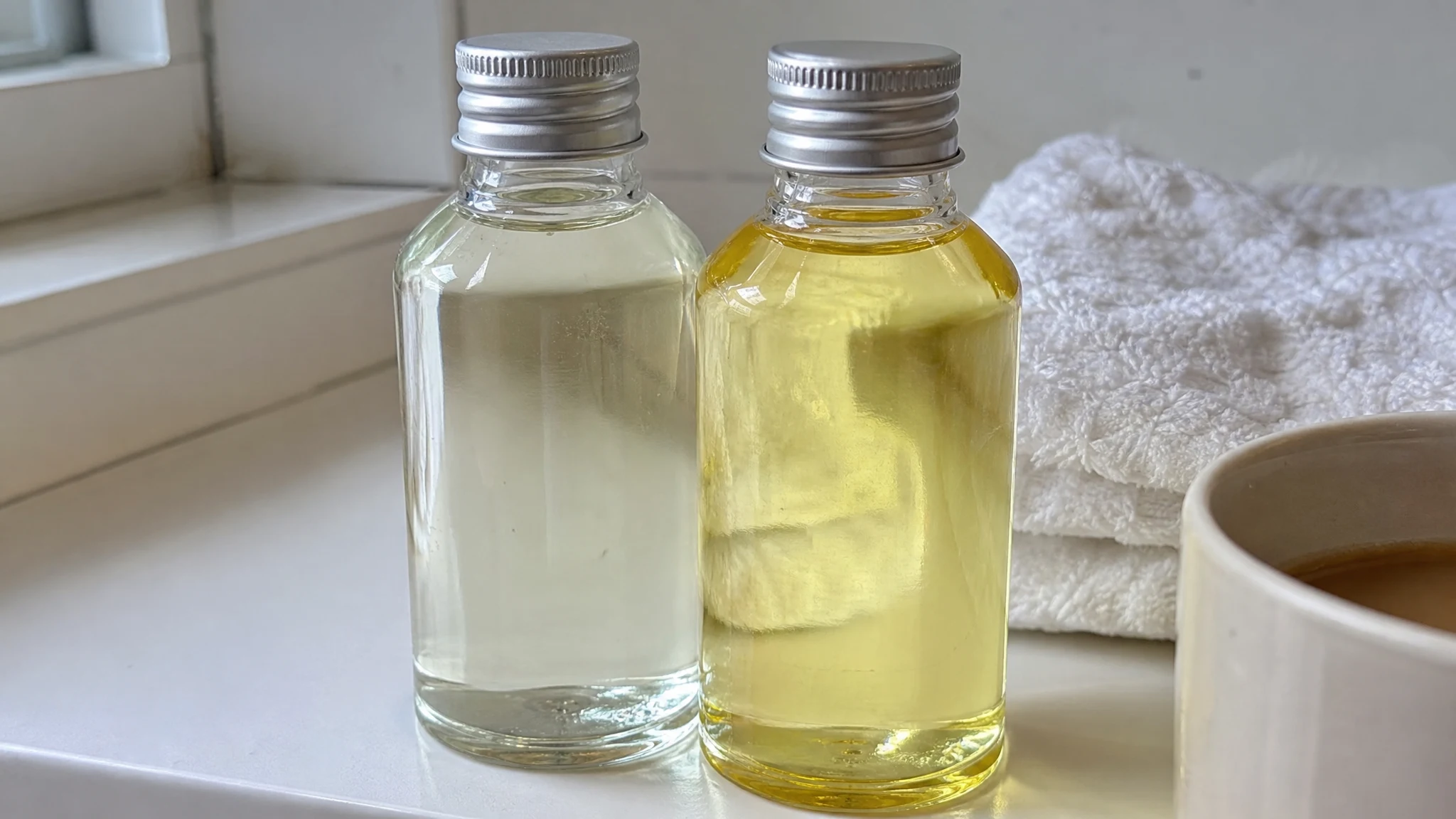
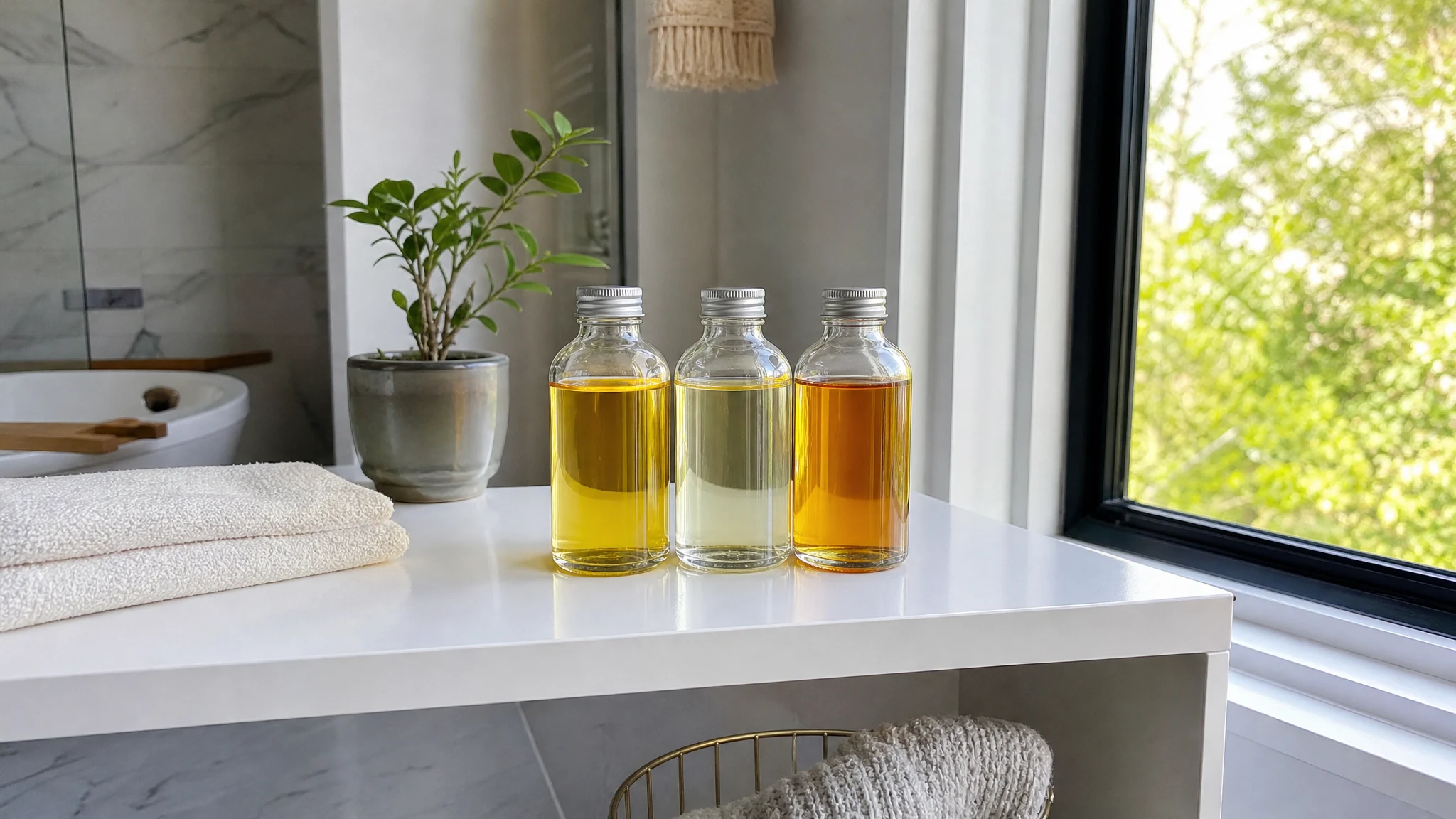
Hold them up to the light and you can see the difference too. Our castor oil is a clear pale gold that pours in a slow, thick ribbon, while a light oil falls in quick droplets. If you enjoy the little rituals of skin care, there is a real pleasure in castor oil's pace: you cannot rush it, so you slow down with it.
Rosehip oil is built the other way round. In a 2025 analysis of seven Bulgarian rosehip oils, five were led by linoleic acid at 45 to 51 percent, and two were led by alpha-linolenic acid at 47 to 49 percent, so even rosehip oil varies from bottle to bottle. Either way it is a polyunsaturated oil with no hydroxyl group, which suggests the quick, light feel you notice on your hand. We sell castor oil only, so for rosehip you will want a pharmacy or beauty-supply shop.
Choosing by skin type
Our own recommendation is simple: let the feel decide. If your skin runs dry or tight, especially in cold or heated air, castor oil is the more generous choice. The American Academy of Dermatology notes that heavier ointments are the most effective moisturizers for dry skin and are best applied right after a shower, and castor oil behaves in that same spirit: a thin film that stays put. Two or three drops warmed between your fingers cover the whole face, and an evening is where it shines.
We would also say that a rich oil rewards a gentle hand. Warm the drops between your palms, press them onto the skin rather than dragging, and spend an extra moment on the places that feel driest. It leaves a soft, cushioned feel that you notice when you lie down at night.
If your skin is normal, combination or simply dislikes a heavy finish, a light oil like rosehip is the more comfortable everyday face oil, with a soft, smooth-looking finish that sits under makeup more easily than a rich oil does. Castor oil is rated 0 to 1 on the popular comedogenic charts, but a number on a chart tells you little about how a heavy film feels on your cheeks; our guide to the comedogenic rating explains how to read it.
You do not have to pick one
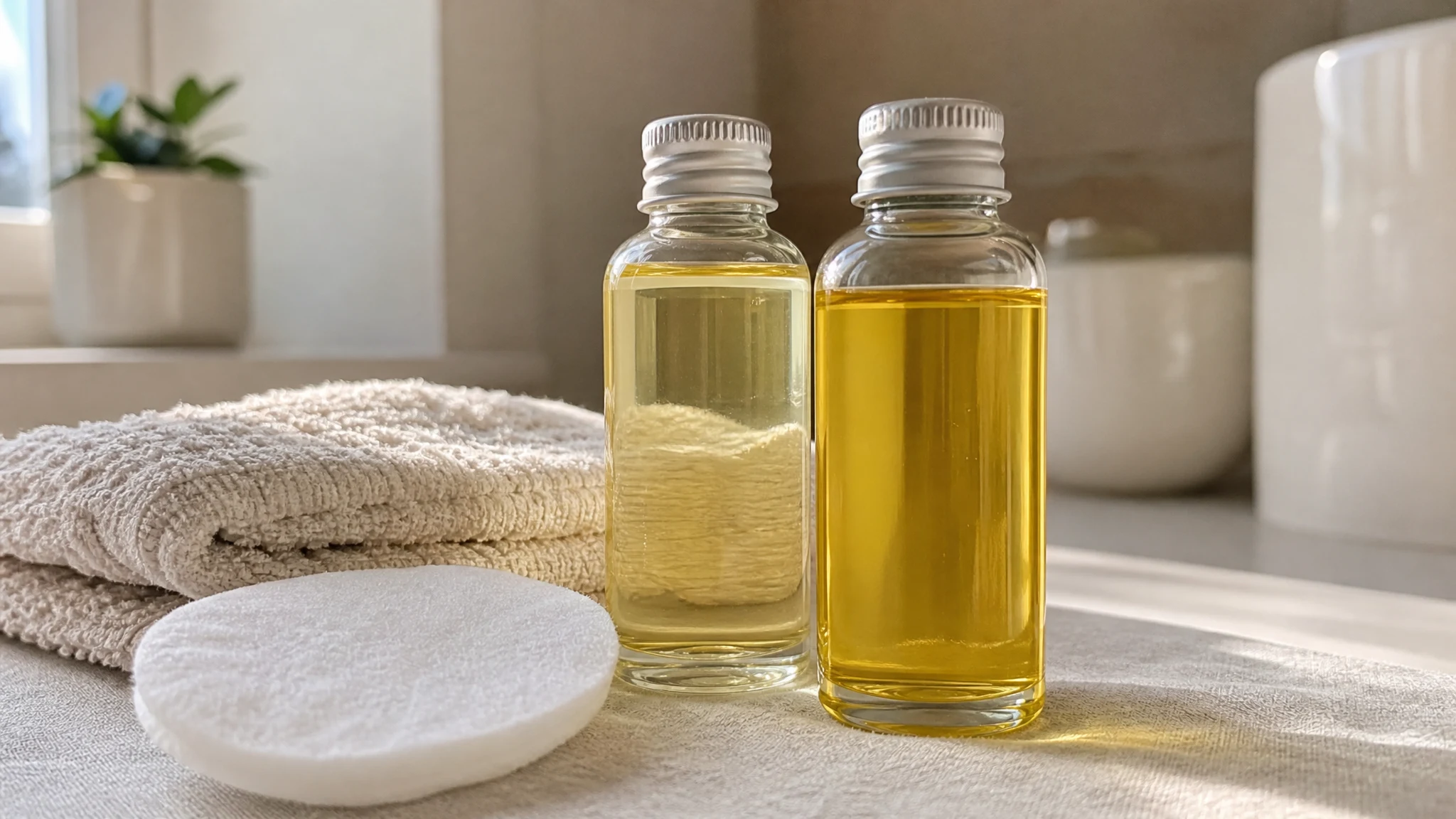
The nicest trick is layering thin before thick. A light oil goes on first, while the skin is still slightly damp from washing; a whisper of castor oil can follow on top at night to seal it in. Or blend them: a small share of castor oil in a lighter oil gives you a rich-but-spreadable face oil, and our post on how to dilute castor oil shows the arithmetic for any ratio. For the wider routine, castor oil for skin covers where each step fits, and oil cleansing with castor oil is where its slow, rich texture earns a small share of a cleanser.
Keeping each one happy
Storage is where the two differ most. A 2026 laboratory comparison of rosehip, sunflower, olive and jojoba oils found rosehip oil oxidised fastest of the four, which is simply what a polyunsaturated oil does. Keep a rosehip bottle tightly closed and away from heat, and follow the FDA's general advice to stop using any cosmetic that changes colour or smells different. Castor oil's hydroxyl group is credited with giving it unusual oxidative stability, so it is the unfussy one in the cupboard.
With either oil, patch test first: a small spot behind the ear along the jawline, and wait a day or more before the full routine. Keep oil out of your eyes, and ask a doctor or dermatologist about anything particular to your skin.
So, honestly: rosehip for the quick morning glow, castor for the slow, cosy evening, and both on the days your skin wants a little of each.
Organic Castor Oil
Cold-pressed, hexane-free organic castor oil, from a 0.5 oz sample to bulk sizes.
From $13.99
Shop Organic Castor Oil →Sources & Further Reading
- Castor Oil: Properties, Uses, and Optimization of Processing Parameters in Commercial Production (Patel et al., Lipid Insights, 2016)
- Castor oil (Ricinus communis): a review on the chemical composition and physicochemical properties (Yeboah et al., Food Science and Technology, 2021)
- Characterization of Bulgarian Rosehip Oil by GC-MS, UV-VIS Spectroscopy, Colorimetry, FTIR Spectroscopy, and 3D Excitation-Emission Fluorescence Spectra (Molecules, 2025)
- Oxidative Stability and Kinetics of Oxidation of Rosehip, Sunflower, Olive and Jojoba Oils (Antioxidants, 2026)
- How to pick the right moisturizer for your skin (American Academy of Dermatology)
- Using Cosmetics Safely (U.S. Food and Drug Administration)
- How to Perform a Self Skin Patch Test and Products to Avoid (Healthline)