Castor Oil vs Avocado Oil for Dry-Feeling Hair
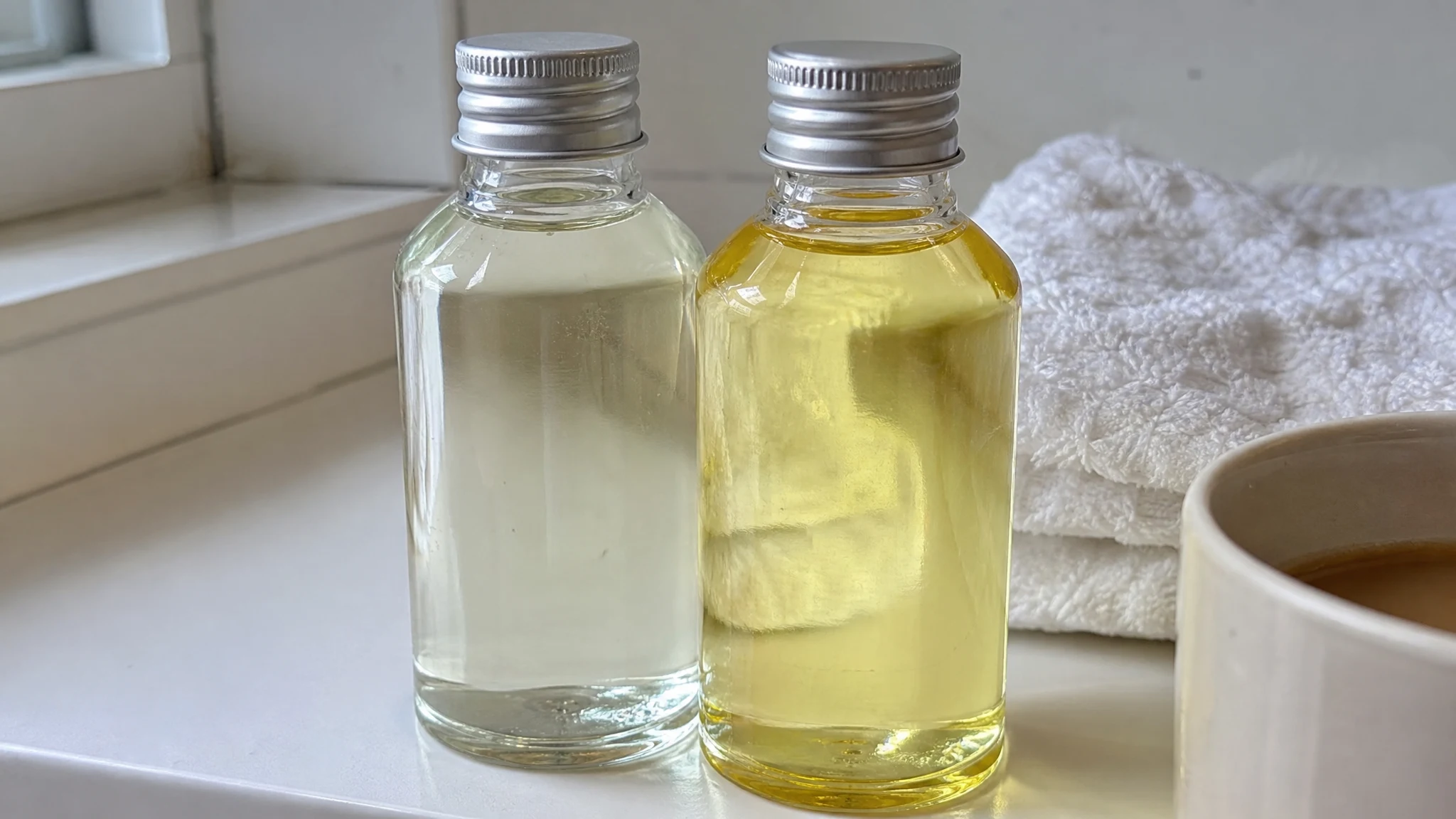
If your hair feels dry, there is a good chance you have already looked at both bottles in the oil aisle and wondered which one deserves the towel. Castor oil and avocado oil are both rich, both generous, and both easy to overdo. The real difference between them is weight, and once you see that, choosing gets easy.
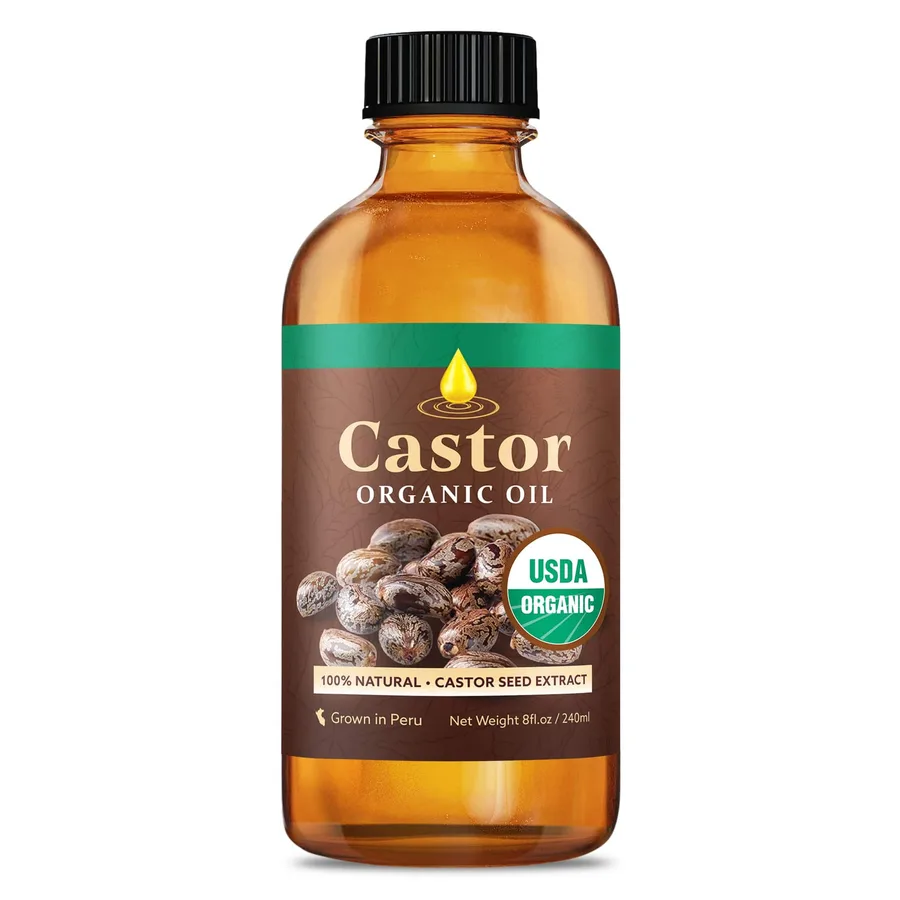
Organic Castor Oil
Cold-pressed, hexane-free castor oil, in sizes from a 0.5 oz sample to bulk drums.
From $13.99
Shop Organic Castor Oil →We only sell castor oil, so we will say up front that avocado oil is a lovely thing in its own right, and plenty of people keep both in the bathroom cupboard. This is about helping you reach for the right one on the right day.
Weight is the whole story
Castor oil is unusually thick. Roughly 90 percent of it is ricinoleic acid, and one published review gives its viscosity as about 9 to 10 poise at 25 degrees C, around a thousand times water. Avocado oil is built differently. A 2025 review reports oleic acid at roughly 41 to 58 percent, palmitic acid at about 20 to 29 percent and linoleic acid at about 8 to 15 percent, with the exact mix depending on the fruit and where it grew. We do not sell avocado oil, but that profile suggests an oil that is rich without being heavy: it spreads along a strand instead of sitting on top of it.
In practice that means avocado oil goes a long way and castor oil goes a very short way. A pea-sized amount of castor oil, warmed between your palms, will coat most of a shoulder-length ponytail.
Picture it by hand. Avocado oil tends to feel like a smooth, light slip that is gone in a moment, while castor oil feels like warm honey, slow to warm, slow to spread and slow to leave. Neither is better; they just ask for different handling, and castor oil is the one that rewards patience.
Three ways to use them
Before shampoo. Smooth the oil through dry hair, mostly on mid-lengths and ends, leave it for a while, and then shampoo. Shampoo is made to do this job: its surfactants have one end that grabs oil and one that grabs water, so the oil rinses out. Dermatology writing also describes oils as lubricating the hair shaft and reducing the water the hair absorbs, which is why a pre-shampoo oil can leave strands feeling softer afterwards. Avocado oil rinses out more easily; with castor oil, plan on two lathers, and see our guide to washing castor oil out of hair.
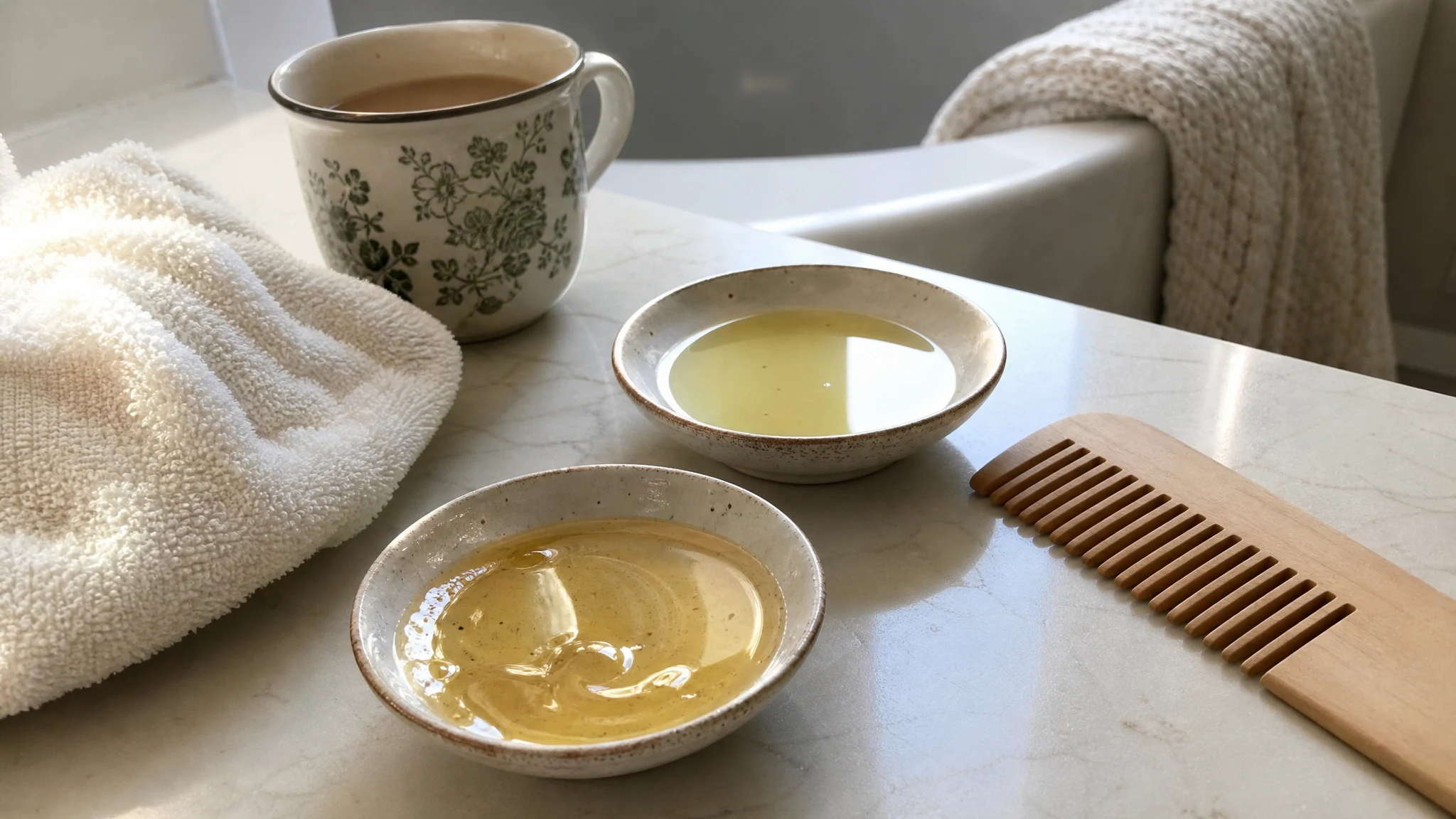
As a mask. Masks are where castor oil's weight is a feature, because you want slip and a glossy finish while you wait. Our castor oil hair mask blends use exactly that texture.
As a finishing touch. A single drop smoothed over damp ends can add shine and calm frizz. Here avocado oil is the more forgiving oil, and castor oil needs a lighter touch still, because one extra drop can leave hair looking weighed down.
What suits whom
Our recommendation is to let your hair type pick the oil. If your hair is fine or straight and feels dry at the ends, avocado oil is the easier everyday partner: it rarely overshoots. If your hair is thick, coily or curly and tends to drink up whatever you give it, castor oil's heft is welcome, particularly on the ends. And if you cannot decide, the middle way is a blend, a small share of castor oil in avocado oil, which keeps castor's gloss and takes the edge off its weight. Our guide to diluting castor oil shows the arithmetic, and best oils for hair sets both oils beside the other usual candidates.
Scent is the last thing to check. Plant oils differ in smell depending on how they were made, so open a bottle and sniff before you commit, and if a cosmetic oil starts to smell different from before, the FDA advises you to stop using it.
Patch test a new oil on a small spot of skin first, keep oil out of the eyes, and ask a doctor or dermatologist about anything particular to your scalp or skin. For a hair routine that is simply about feeling soft, dry-feeling hair is happy with either oil, and honestly the best one is the one you will actually use.
Organic Castor Oil
Cold-pressed, hexane-free organic castor oil, from a 0.5 oz sample to bulk sizes.
From $13.99
Shop Organic Castor Oil →Sources & Further Reading
- Castor Oil: Properties, Uses, and Optimization of Processing Parameters in Commercial Production (Patel et al., Lipid Insights, 2016)
- Castor oil (Ricinus communis): a review on the chemical composition and physicochemical properties (Yeboah et al., Food Science and Technology, 2021)
- Global research trends on avocado oil and its fatty acid composition: A bibliometric review (Journal of Food and Drug Analysis, 2025)
- Hair cosmetics: an overview (Gavazzoni Dias, International Journal of Trichology, 2015)
- Using Cosmetics Safely (U.S. Food and Drug Administration)