How to Patch Test Castor Oil Before You Use It
A patch test is the least exciting five minutes of any castor oil routine, and the one most worth doing. A dab of oil on your arm, a few days of glancing at it now and then, and you have learned something about your own skin that no article, ours included, can tell you.
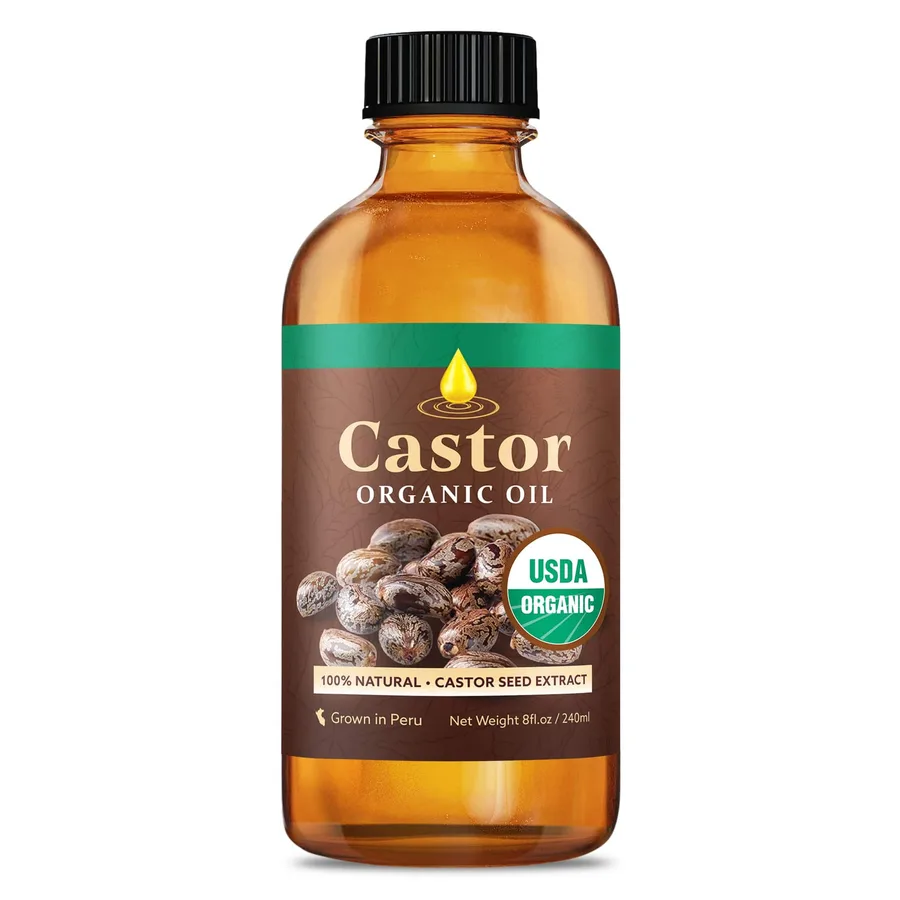
Organic Castor Oil
Cold-pressed, hexane-free castor oil, in sizes from a 0.5 oz sample to bulk drums.
From $13.99
Shop Organic Castor Oil →Why bother with a gentle oil
Because "natural" and "gentle on everyone" are different things. The Cosmetic Ingredient Review panel looked at the evidence on castor oil in cosmetics and found it not a significant skin irritant or sensitizer in human clinical tests, and noted that sensitization reactions are seen infrequently. It also noted that patients with occupational dermatoses may react to castor oil. Rare is not never, and nobody can tell in advance which side of the line their skin falls on. A test takes the guessing out.
The test, step by step
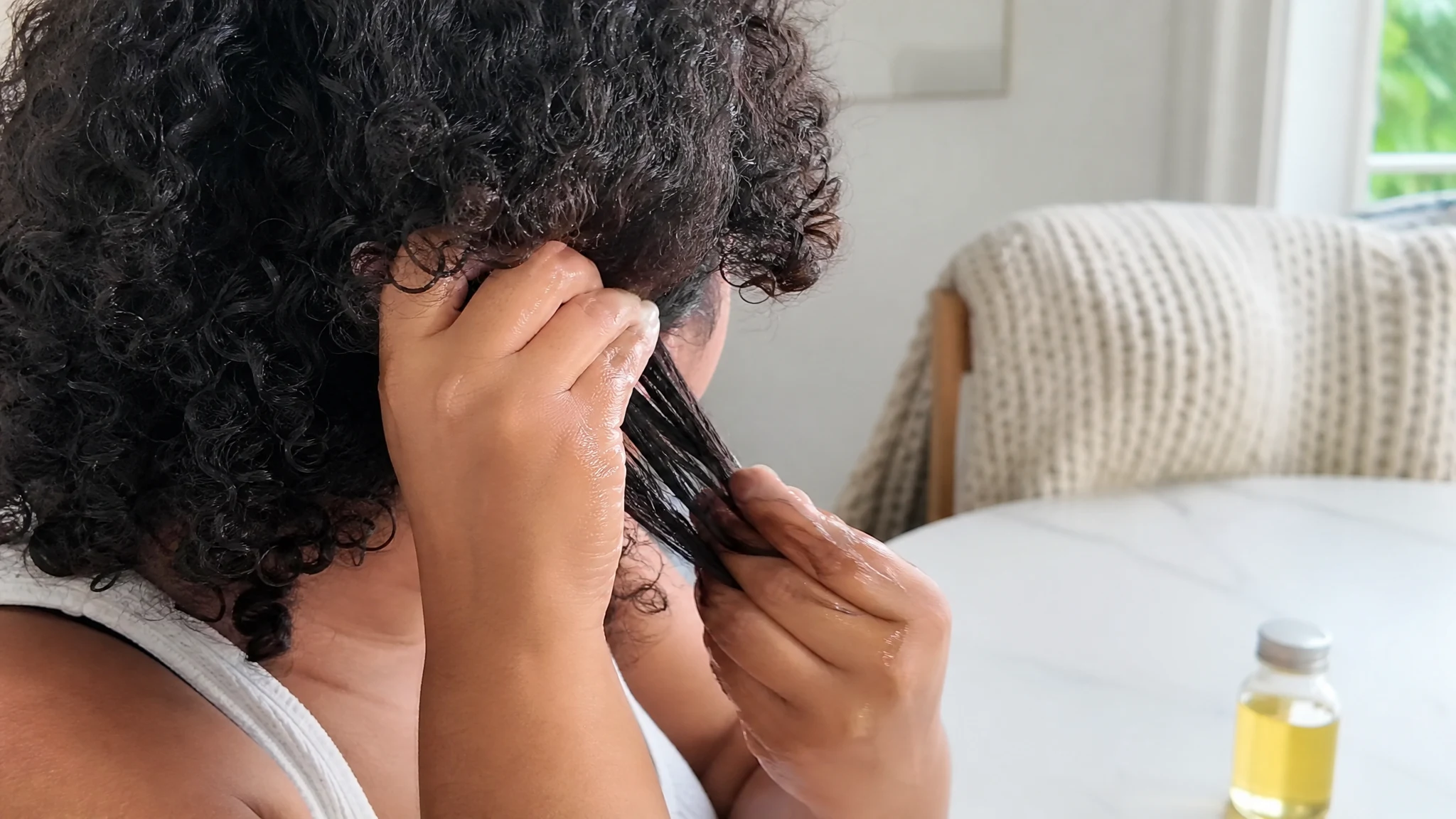
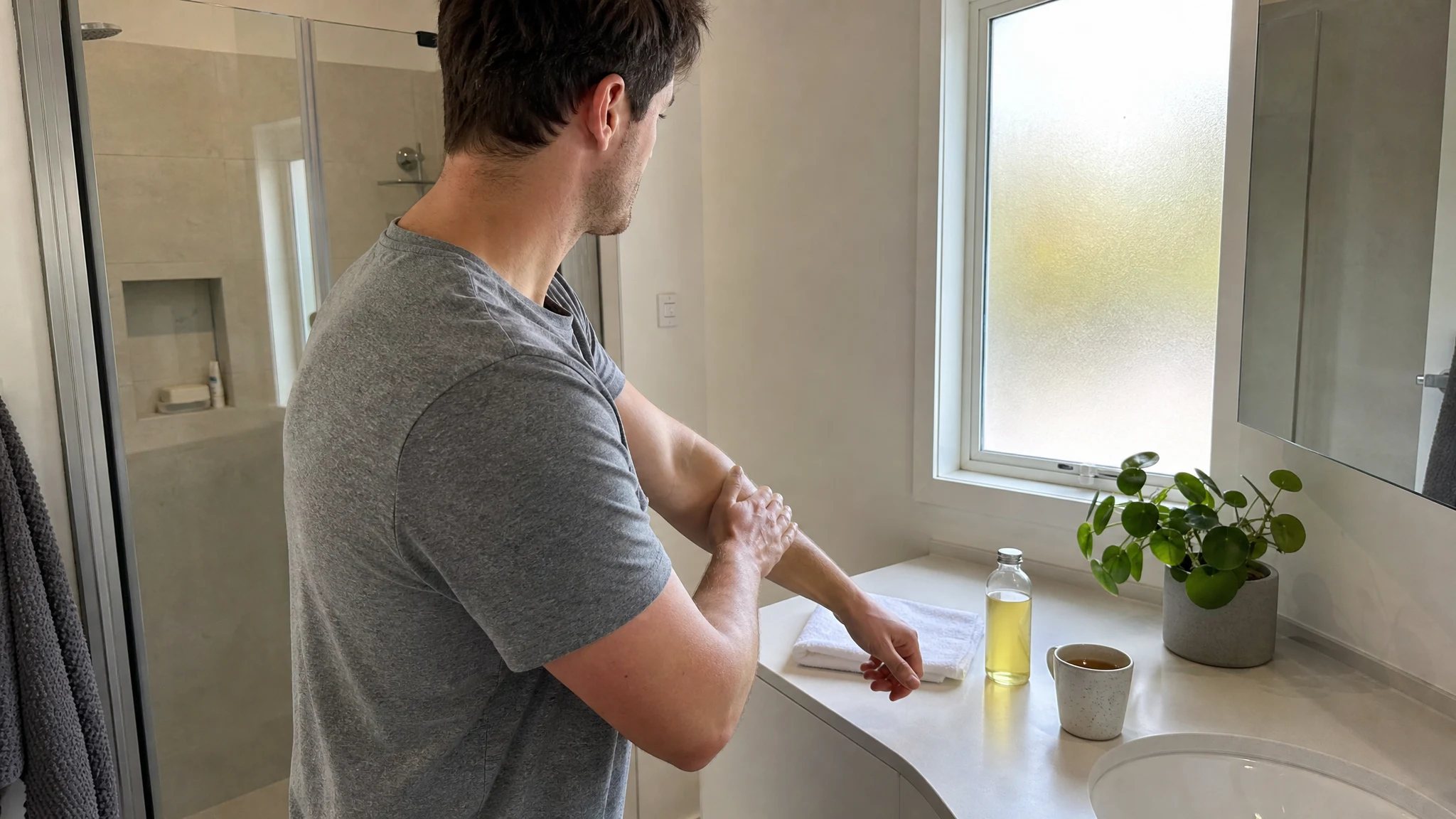
- Pick your spot. The dermatology advice Healthline summarises is a patch about the size of a quarter on the inner forearm or the bend of the elbow, somewhere the oil will not be rubbed off. For anything you plan to use near the face, it suggests the skin behind the ear at the jawline.
- Apply a small amount. A single drop of oil, spread into a thin layer, is enough. Use clean hands.
- Leave it be. Do not scrub, cover it with a heavy bandage or wash the area aggressively. Castor oil is thick and stays put, which makes it an easy one to forget about.
- Watch and wait. Many quick guides stop at a day or two. Healthline, summarising the American Academy of Dermatology, describes applying the product to the spot twice daily for about 7 to 10 days, because dermatologists use the longer window to rule out a delayed reaction. Our own rule of thumb follows from that: the longer you watch, the more a clear result tells you. At the very least, give it a full two days; a week is better if the oil is going somewhere sensitive.
What a reaction looks like
You are looking for redness, itching, burning or stinging, a rash, small blisters, hives, or skin that turns very dry, tender or cracked. A little glossy residue is just castor oil being castor oil, so it is not a reaction.
If something shows up, rinse the oil off promptly with mild soap and water and stop using it. The FDA's advice on a reaction to any cosmetic product is the same: stop using the product and contact your healthcare provider. A reaction that is spreading, swelling or hard to calm needs a doctor or a dermatologist, who can also run a proper in-office patch test for several allergens at once.
The eye area is its own test
A forearm result does not clear your eyelids. The skin there is far thinner, and the oil is much closer to the eye itself. The FDA advises using products near the eyes only if they are meant for that purpose, and the Cosmetic Ingredient Review report describes eye studies in which castor oil placed into the eyes caused discomfort or surface changes in the cornea. So keep oil out of your eyes, test the forearm first, then the skin behind the ear, and if you want to use castor oil near your lashes, talk to your doctor or an eye care professional before you start. We go through the practical side in our post on castor oil for eyelashes.
Test the blend you will actually use
If your plan is castor oil mixed with something else, say a lighter oil for your hair or a few drops of a scented oil, the thing you need to test is the mix, not the individual parts. A reaction to the blend could come from either ingredient. We sell castor oil only, so for anything you add, a pharmacy or beauty-supply shop is where you will find it, and the label there is the place to check the ingredients. If you are planning a hair routine with add-ins, how to use castor oil for hair is where to start, and the test comes first.
When a clear result is good enough
A patch test can help predict whether a product is likely to cause a reaction, but it is not a guarantee. If your skin stays calm for the full window, you can go ahead with the same amount and the same pattern you tested. The face is where most people want to use it, and our guide to castor oil for skin picks up from there. The full list of things to know about reactions is in our castor oil side effects guide.
Once the patch is clean and your forearm has forgotten all about it, you can get on with the part that is actually fun.
Organic Castor Oil
Cold-pressed, hexane-free organic castor oil, from a 0.5 oz sample to bulk sizes.
From $13.99
Shop Organic Castor Oil →Sources & Further Reading
- Healthline. How to Perform a Self Skin Patch Test and Products to Avoid.
- Final report on the safety assessment of Ricinus Communis (Castor) Seed Oil, Hydrogenated Castor Oil, Glyceryl Ricinoleate, Glyceryl Ricinoleate SE, Ricinoleic Acid, Potassium Ricinoleate, Sodium Ricinoleate, Zinc Ricinoleate, Cetyl Ricinoleate, Ethyl Ricinoleate, Glycol Ricinoleate, Isopropyl Ricinoleate, Methyl Ricinoleate, and Octyldodecyl Ricinoleate. Cosmetic Ingredient Review expert panel, 2007.
- U.S. Food and Drug Administration. How to Report a Cosmetic Product Related Complaint.
- U.S. Food and Drug Administration. Using Cosmetics Safely.