Castor Oil for Moles and Gophers: Does It Work?
Walk down the lawn-care aisle and you will find mole repellents with castor oil as the headline ingredient. The idea is simple: soak the soil with a mixture that makes the ground unpleasant to tunnel through, and the moles move on. We sell castor oil, so we are happy to tell you where the idea comes from and, just as readily, where the evidence runs out.
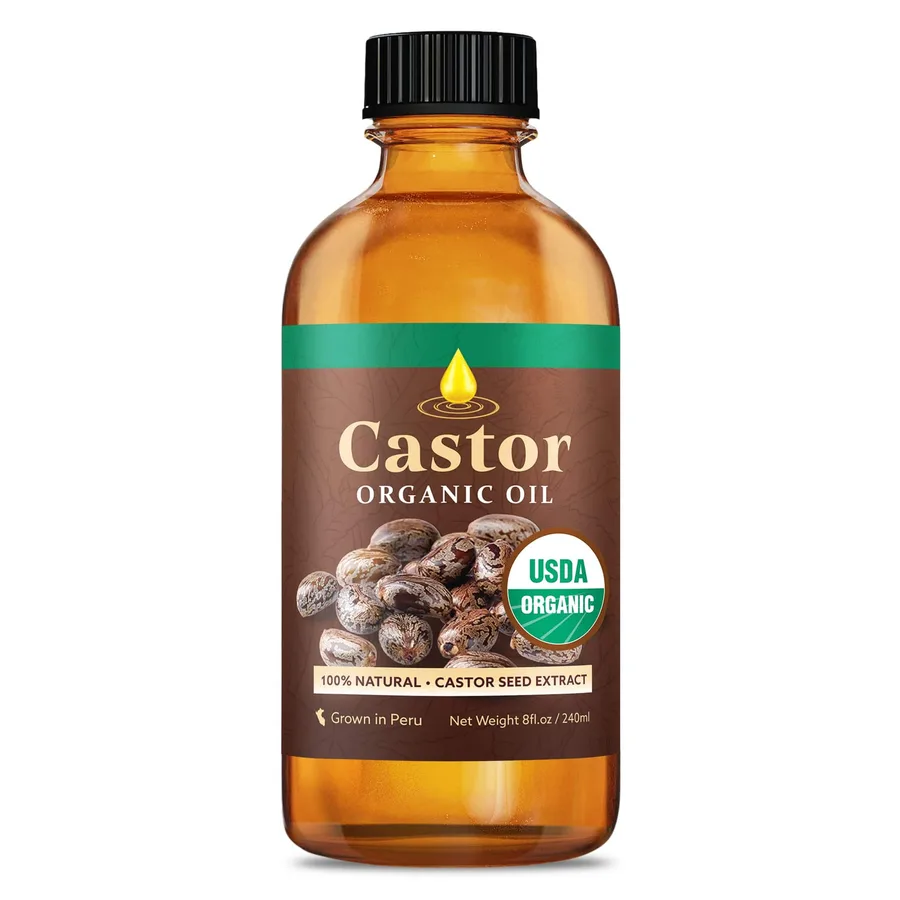
Organic Castor Oil
Cold-pressed, hexane-free castor oil, in sizes from a 0.5 oz sample to bulk drums.
From $13.99
Shop Organic Castor Oil →How a drench is meant to work
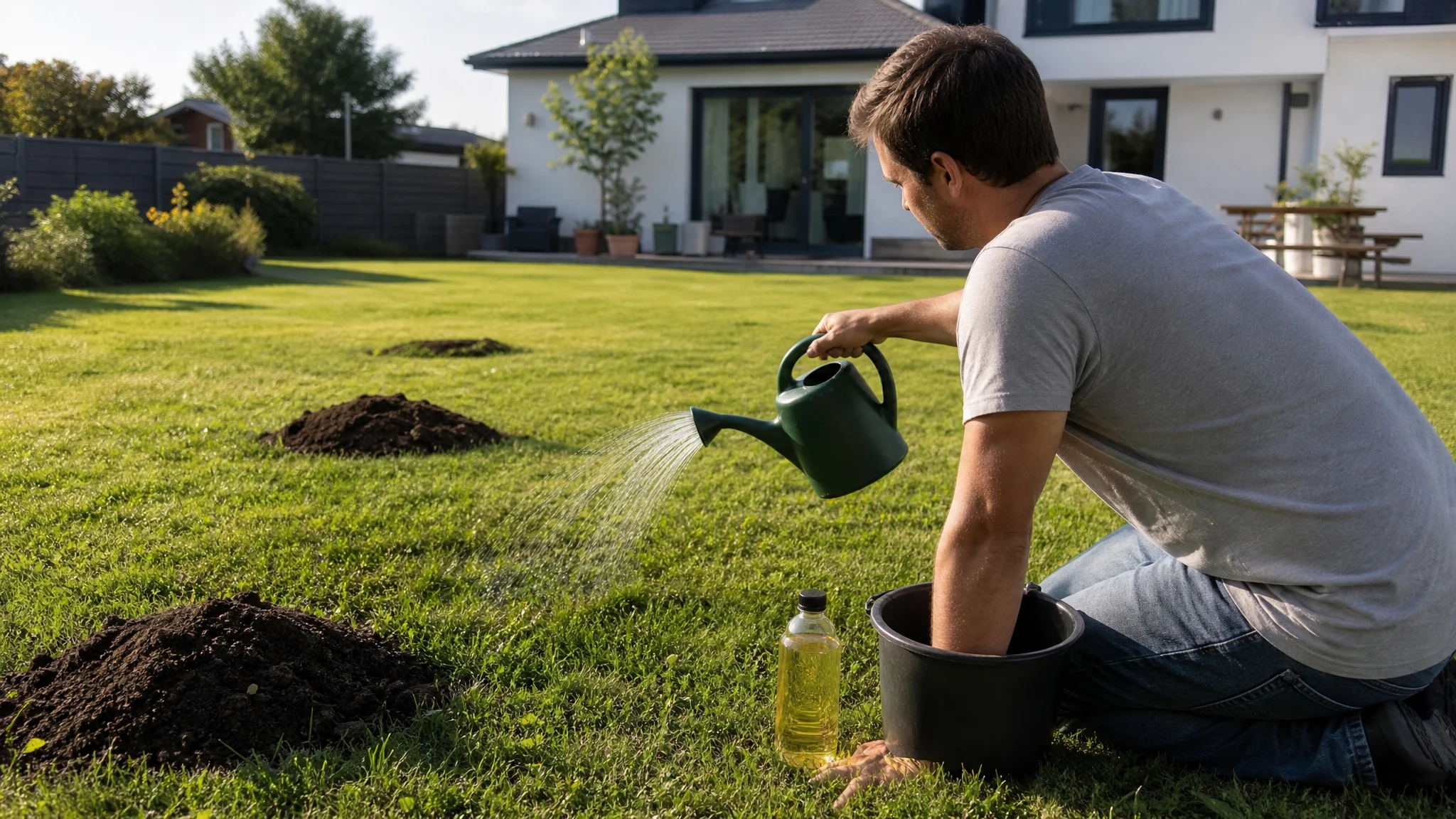
The theory is that soaked ground becomes unpleasant for the mole's tunnels, so it digs elsewhere. A little dish soap helps the thick oil mix with water, so it can be watered into the turf. That is all that is going on.
What the research actually says
University of California's integrated pest management program notes that commercial castor oil repellents have shown some efficacy for eastern moles, and also that no published research covers moles in the western United States. Nebraska Extension describes castor oil products as having shown minor effectiveness against the eastern mole, with one study of a commercial product finding reduced mole activity in an area for over 30 days. Nebraska adds that heavily irrigated ground quickly loses the repellent to leaching.
Our reading: a drench can nudge eastern moles for a few weeks, and rain or sprinklers shorten that. It is a modest tool. UC also points out that repellents work by moving animals from one location to another, so the moles may simply resurface in a neighbour's lawn.
What about gophers?
Gophers are a different animal with a different story. UC IPM's gopher page says that no repellents have proven effective at protecting gardens or other plantings from pocket gophers, and it recommends traps and underground fencing. UC also notes that mole mounds tend to be round while gopher mounds are crescent shaped, so a quick look at the mound tells you which you have before you spend anything.
If you try a drench
There is no extension recipe we can point to, so take this as a common do-it-yourself ratio, not a tested rate. A widely shared mix is about 6 oz of castor oil and 2 tablespoons of dish soap per gallon of water. Shake or blend it well, then water it into the soil around fresh tunnels, ideally when the ground is not already soaked. The arithmetic is easy: a 16 oz bottle of our organic cold-pressed castor oil makes a little over two and a half gallons at that ratio.
Plan on reapplying after heavy rain. A larger area will use oil quickly, so our 5 lb and 25 lb bulk sizes are usually the more economical way to buy by the ounce, and our bulk buying guide explains what to check before you order.
Timing and patience
If you do try a drench, treat it as a short experiment. Choose a dry spell, so the first rain does not wash everything away, and apply it around the freshest mounds rather than the whole lawn at once. Then watch: if no new mounds appear for a few weeks, it may be doing something, and if they keep coming, you have your answer. Note the dates on a calendar so you are judging results and not hope. A drench that is only a week old does not tell you much, and nor does a single quiet weekend.
What works better
Both Nebraska and UC rank trapping at the top: Nebraska calls it the most effective and practical means of controlling problem moles, and UC calls it the most universally applicable and dependable method. If a lawn really matters to you, that is the route we would go, perhaps with a drench as a gentle first step.
Castor oil has plenty of other talents, from conditioning leather to the ones we discuss in castor oil myths and facts. Moles are not its strongest suit. A drench is inexpensive and mildly fun to try, as long as you hold your expectations lightly.
Organic Castor Oil
Cold-pressed, hexane-free organic castor oil, from a 0.5 oz sample to bulk sizes.
From $13.99
Shop Organic Castor Oil →Sources & Further Reading
- Moles (UC Statewide IPM Program)
- Pocket Gophers (UC Statewide IPM Program)
- Moles and Their Control (NebGuide G1538, University of Nebraska-Lincoln Extension)